< HOME
next >
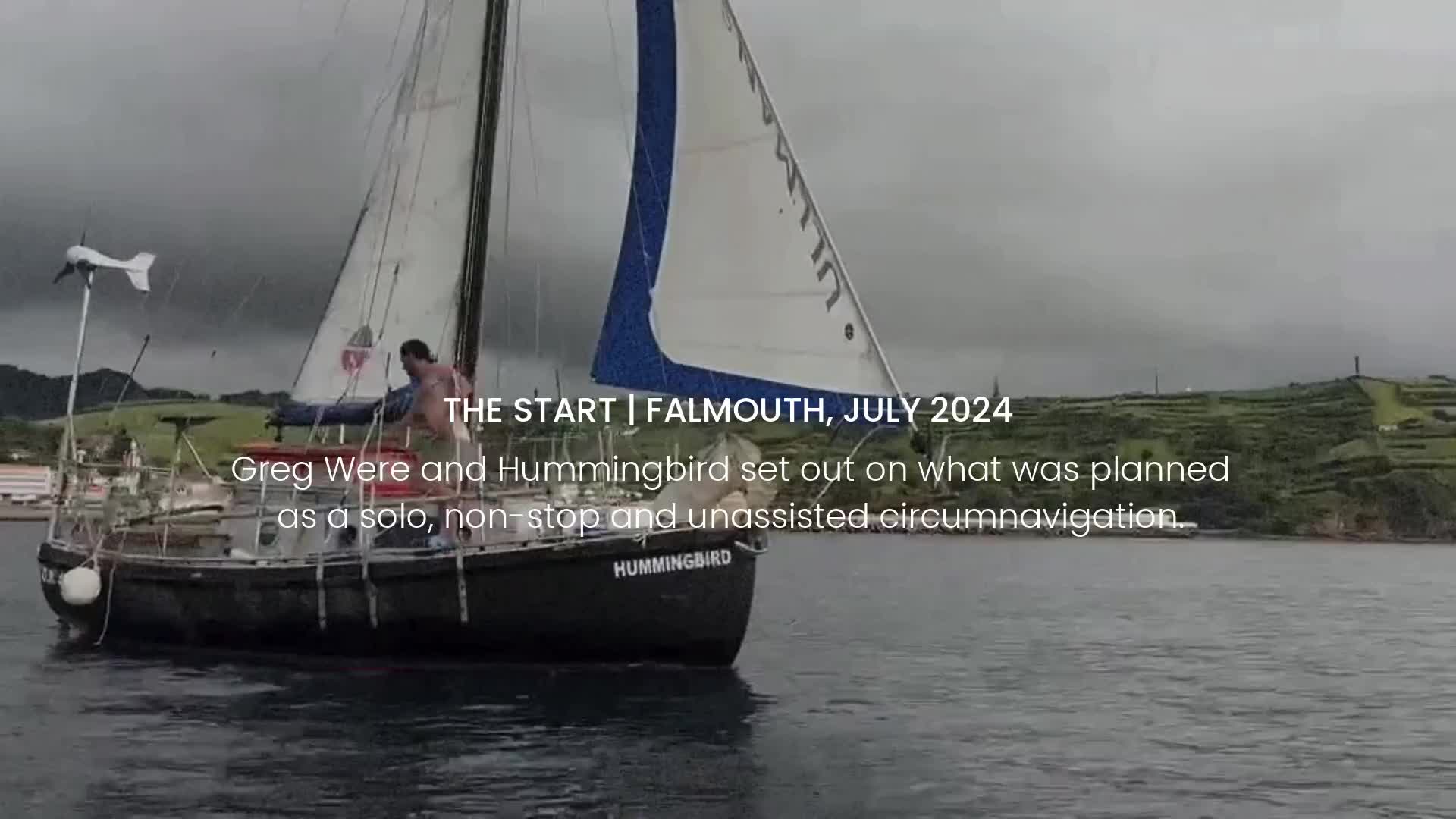
Credits: Greg Were
When the plan changes: Around the world in 20 feet.
Greg Were left Falmouth with an extraordinary goal: sail solo, non-stop and unassisted around the world aboard a 20-foot yacht. More than two years and roughly 39,000 nautical miles later, he sailed back into the same harbour with a very different story.
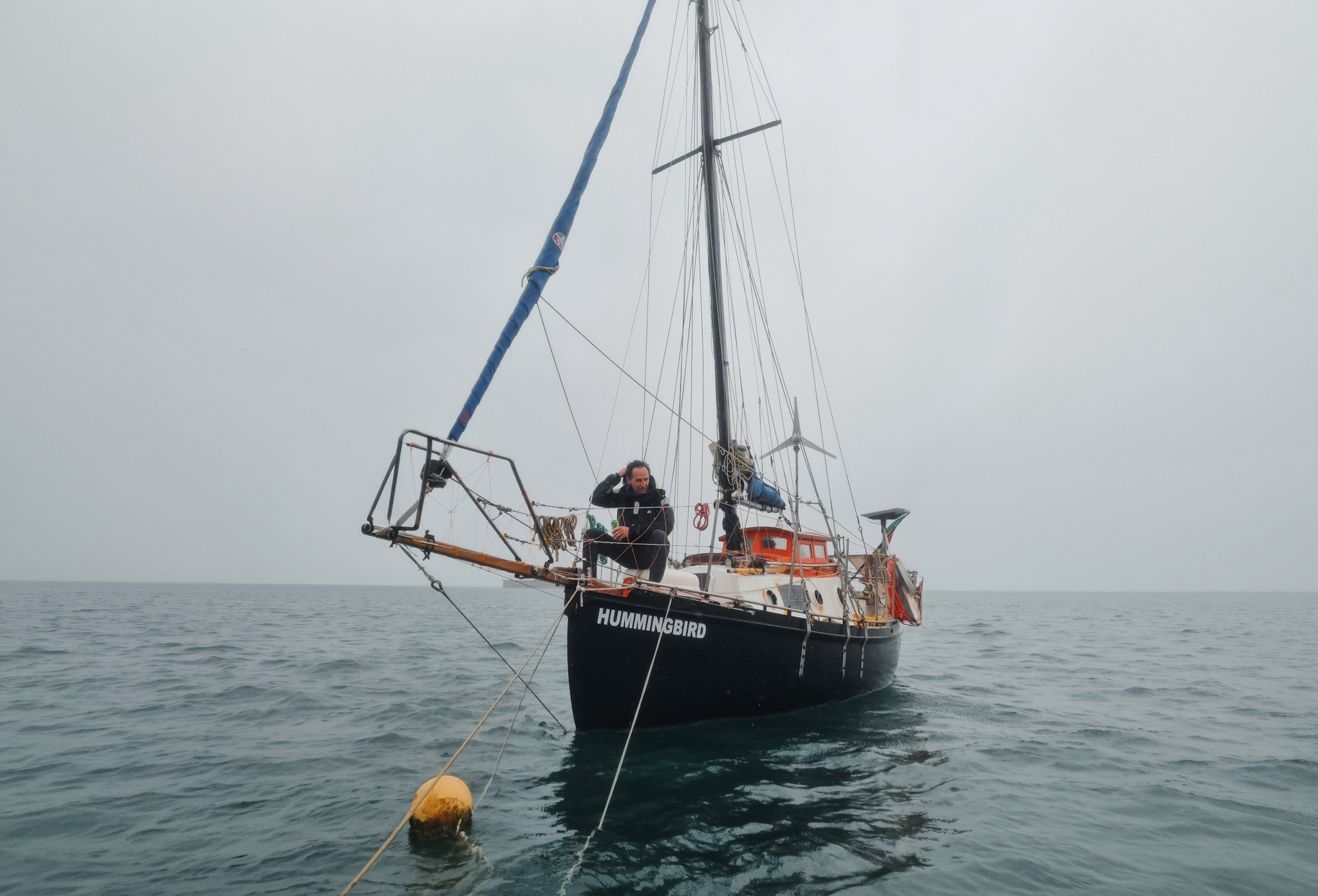
When South African sailor Greg Were left Falmouth aboard Hummingbird in July 2024, the plan was to sail around the world alone, without stopping and without assistance, aboard a boat measuring just 20 feet.
And the route he chose was an important part of that plan.
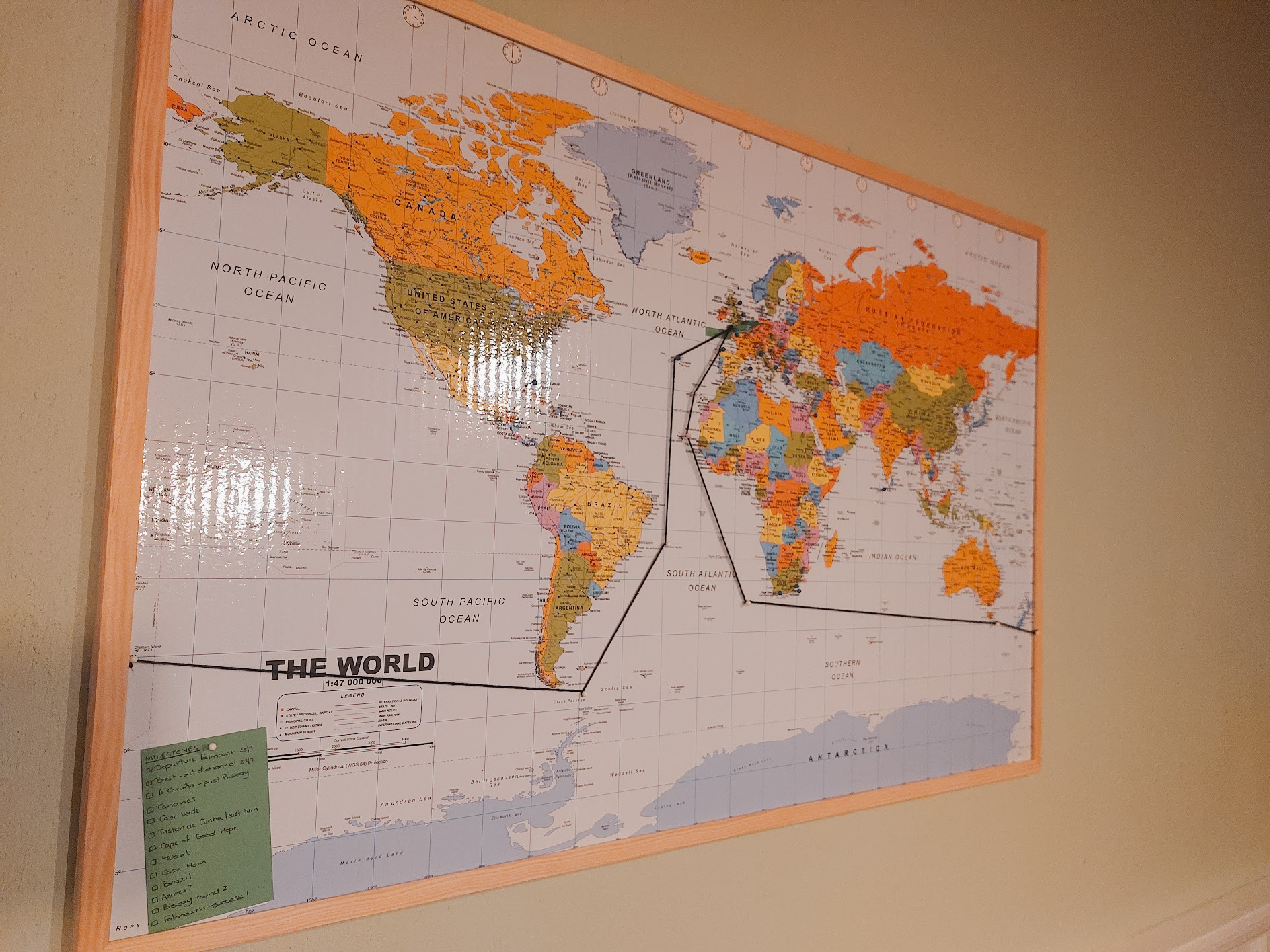
THE SOUTHERN ROUTE
Many sailors heading around the world follow the warmer tropical route, where passages can be broken up by islands and continents along the way.
Greg was heading south.
From Falmouth, Hummingbird would sail down the Atlantic, round southern Africa into the Indian Ocean, cross the Pacific, continue around the southern end of South America and then head back up the Atlantic.
That meant long periods in the high southern latitudes, with very few places to stop if something went wrong.
As Greg puts it:
“There’s nothing actually down there. You’re only stopping when you reach the next continent, essentially.”
Even after the original non-stop attempt ended, his major Southern Ocean legs were still roughly three months at sea at a time.
At one point in the Pacific, Greg checked the marine traffic around him. Within roughly 1,000 nautical miles, he could see only around ten vessels.
“You accept that if something goes pear-shaped, you’re the only one keeping yourself alive. No one’s going to get there anytime soon.”
All of this aboard a yacht just 20 feet long.
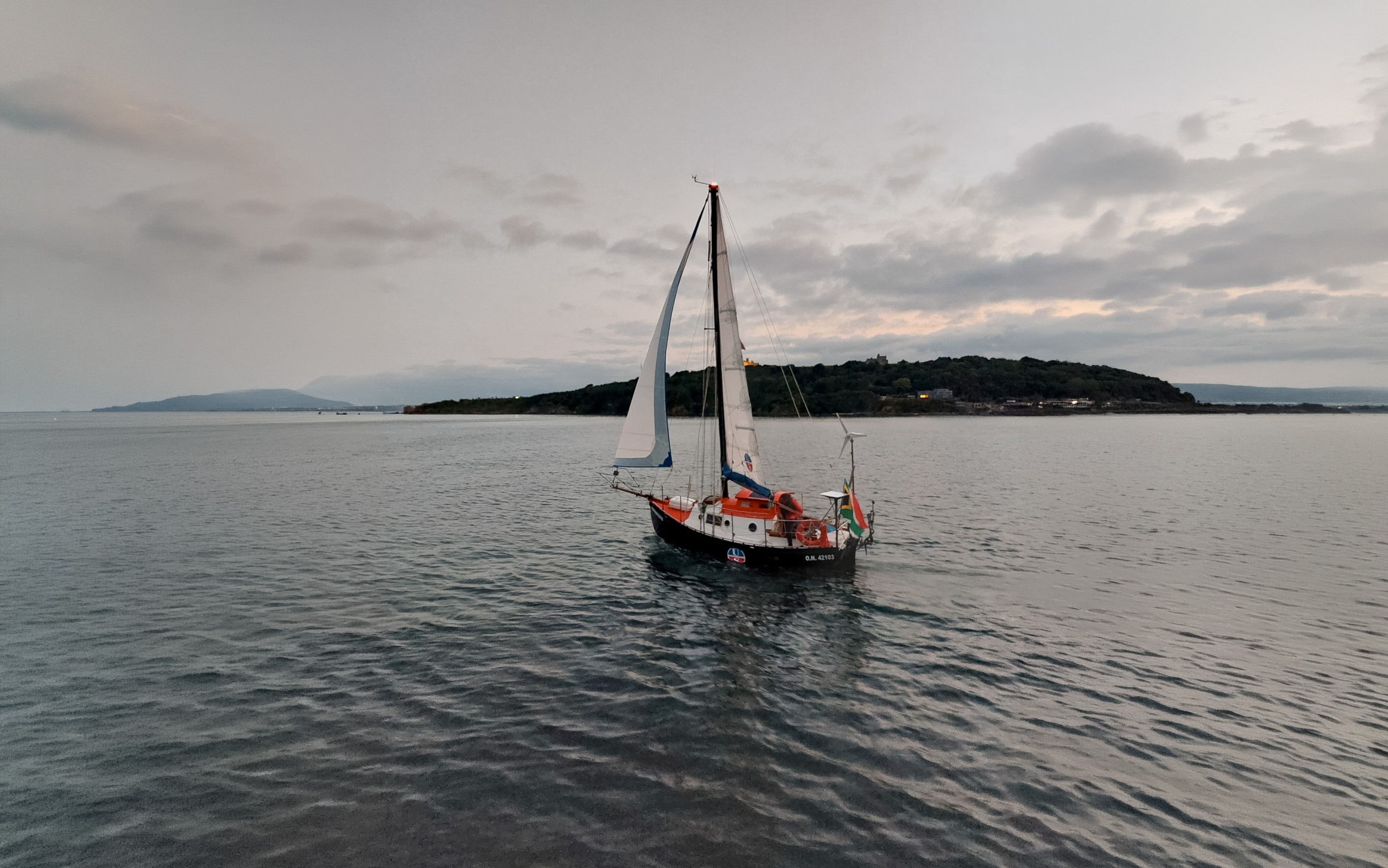
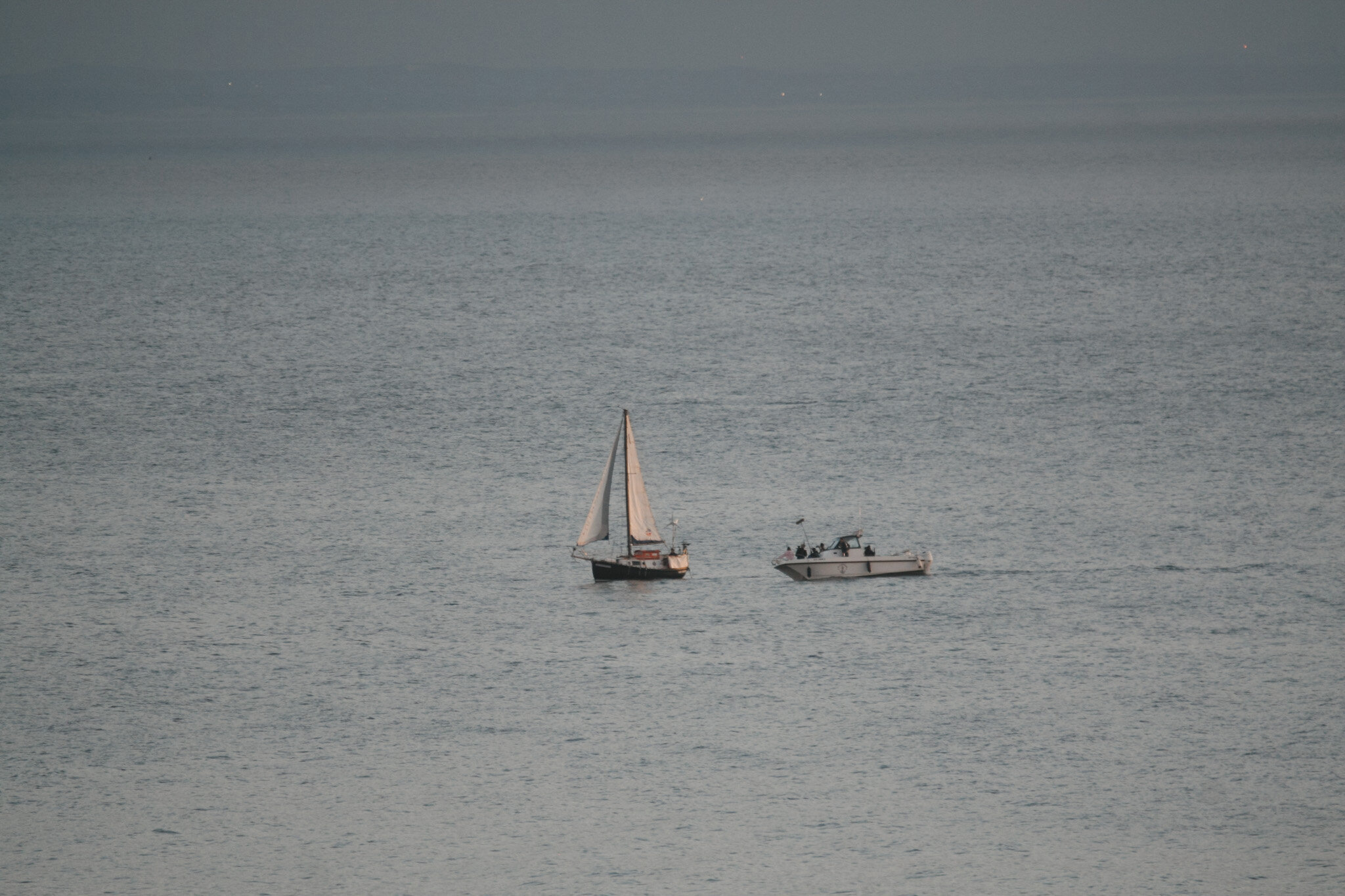
HUMMINGBIRD
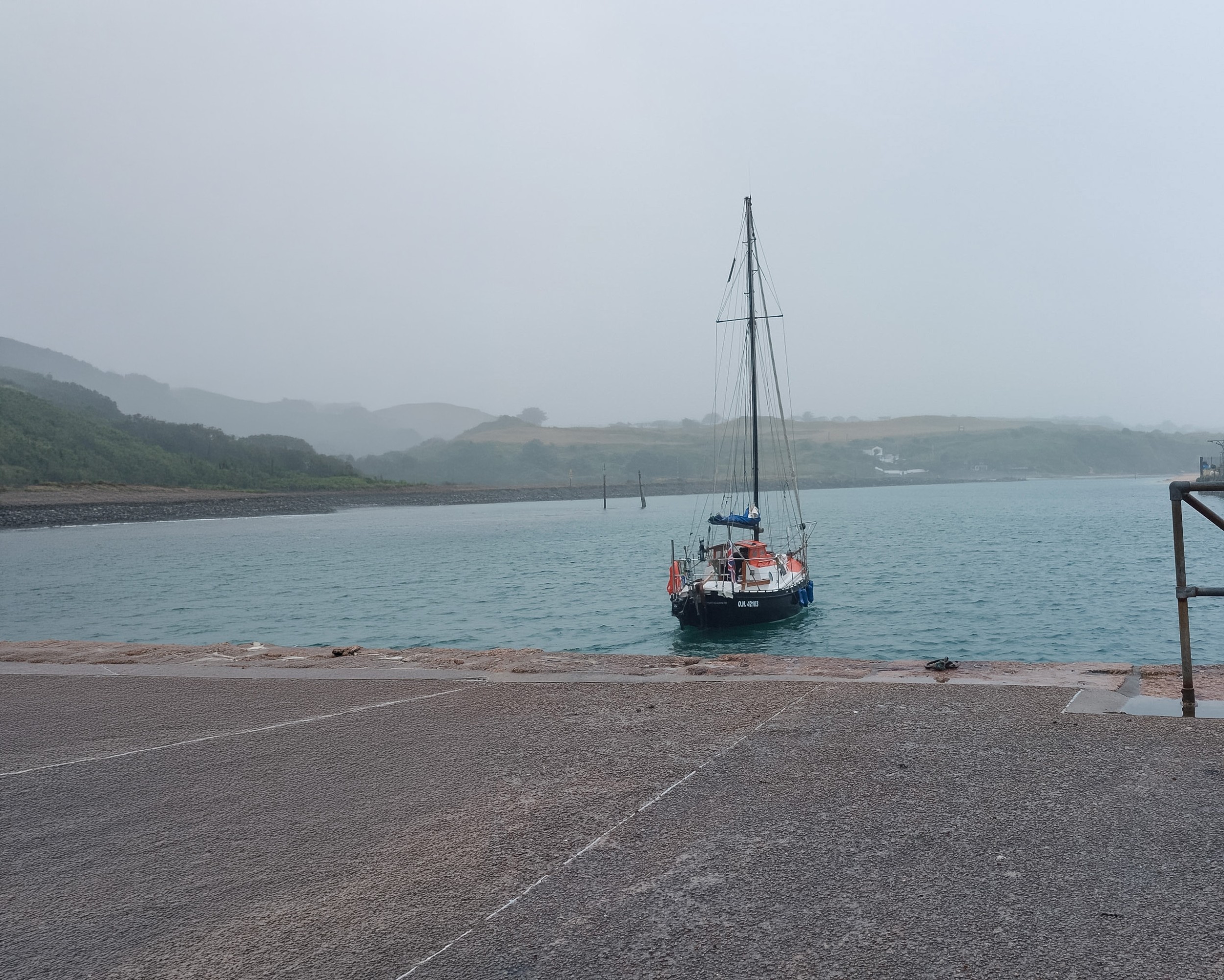
Hummingbird wasn't new to Greg or to ocean miles. The 20-foot Flicka-class yacht had already carried him from South Africa to the Netherlands before the circumnavigation, with a significant part of that passage sailed solo.
By the time they left Falmouth, Greg knew the boat well. The original estimate was roughly a year at sea. Instead, the voyage would take more than two.
WHEN THE PLAN MET THE OCEAN
The first major change came off South Africa.
Problems aboard Hummingbird forced Greg to anchor and later take a mooring off Simon's Town. After working on the boat, he headed south again, reaching close to 40°S off Cape Agulhas.
But the boat's watertight integrity had been compromised. The aft was leaking and, during storms, Greg was pumping the bilge roughly every hour and a half. If the batteries failed, keeping the water out would become a manual job.
He had to decide whether continuing was worth the risk.
“It’s probably one of the more difficult decisions I’ve made in my life. But it was a decision I definitely feel now, in hindsight, more than likely kept me alive.”
Greg turned back.
The non-stop attempt was over. The circumnavigation wasn't.
He could repair Hummingbird, reassess and head back out. And that's what he did.
A VERY SMALL BOAT IN A VERY BIG OCEAN
In one South Atlantic storm, Greg encountered an estimated 8 to 11 metre swell and winds of 50 to 60 knots. The sails came down and Hummingbird rode the conditions under sea anchor while Greg waited it out in his dry suit.
He remembers seeing waves as high as Hummingbird's mast.
Southwest of New Zealand, a breaking swell knocked the boat flat for around 45 seconds. Everything below went with her, with gear ending up against the deckhead and one side of the cabin. Water also found its way inside despite the boat being closed up.
It was Greg's first knockdown.
The electrical problems that followed contributed to another stop in New Zealand, where he changed Hummingbird's charging setup before heading back out.
Around 800 nautical miles east of New Zealand, another storm brought six to seven metre seas, with every few waves breaking.
At times, Hummingbird wasn't simply taking water over the deck.
“The boat was underwater.”
Greg contacted the New Zealand Coast Guard and asked them to lock onto his AIS position, just in case.
115 MILES FROM CAPE HORN
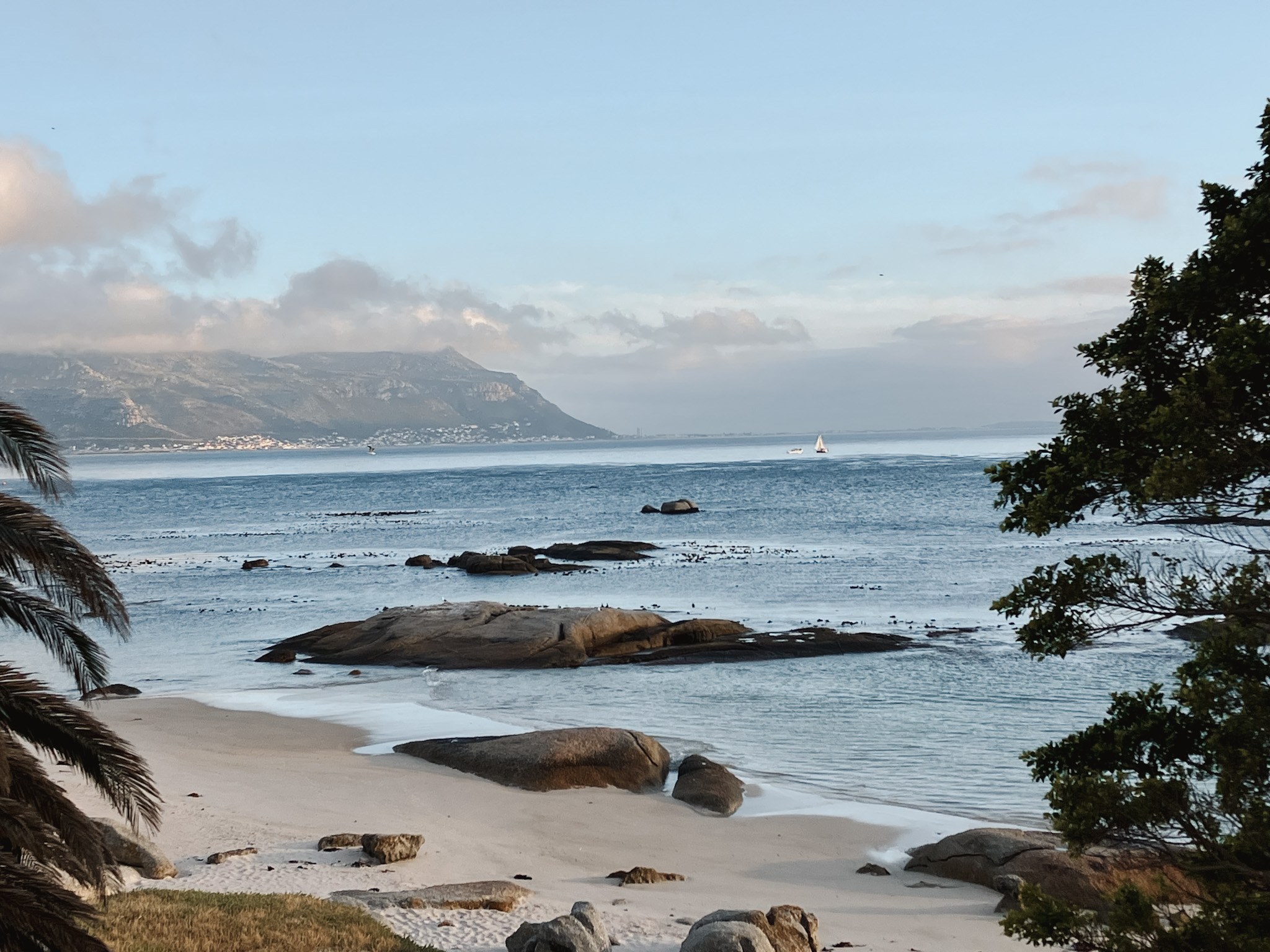
By the time Greg reached the bottom of South America, he'd passed four of the five great capes.
Cape Horn was only around 115 nautical miles away, and he wanted to round it.
But another storm was approaching and Hummingbird didn't have the speed to get where she needed to be safely. Greg chose the Strait of Magellan instead.
It wasn't an easy alternative.
The mountainous terrain meant the wind could change direction and strength rapidly, making the wind pilot unreliable and increasing the risk of a broach.
For approximately 18 hours, Greg hand-steered Hummingbird through the Strait wearing a dry suit, thermals, winter gear, a balaclava and two layers of gloves. Temperatures were around freezing and winds were regularly reaching 50 knots.
Commercial ships became useful references. Greg watched their movements and passed port-to-port, using them to help confirm that he was still in the right part of the channel.
At one point he overheard radio traffic from a passing ship. The crew were apparently wondering what a little sailing boat was doing in the Strait in that weather.
THREE TIMES IN ONE NIGHT
Back in the South Atlantic, Greg faced what would become another of the voyage's toughest nights.
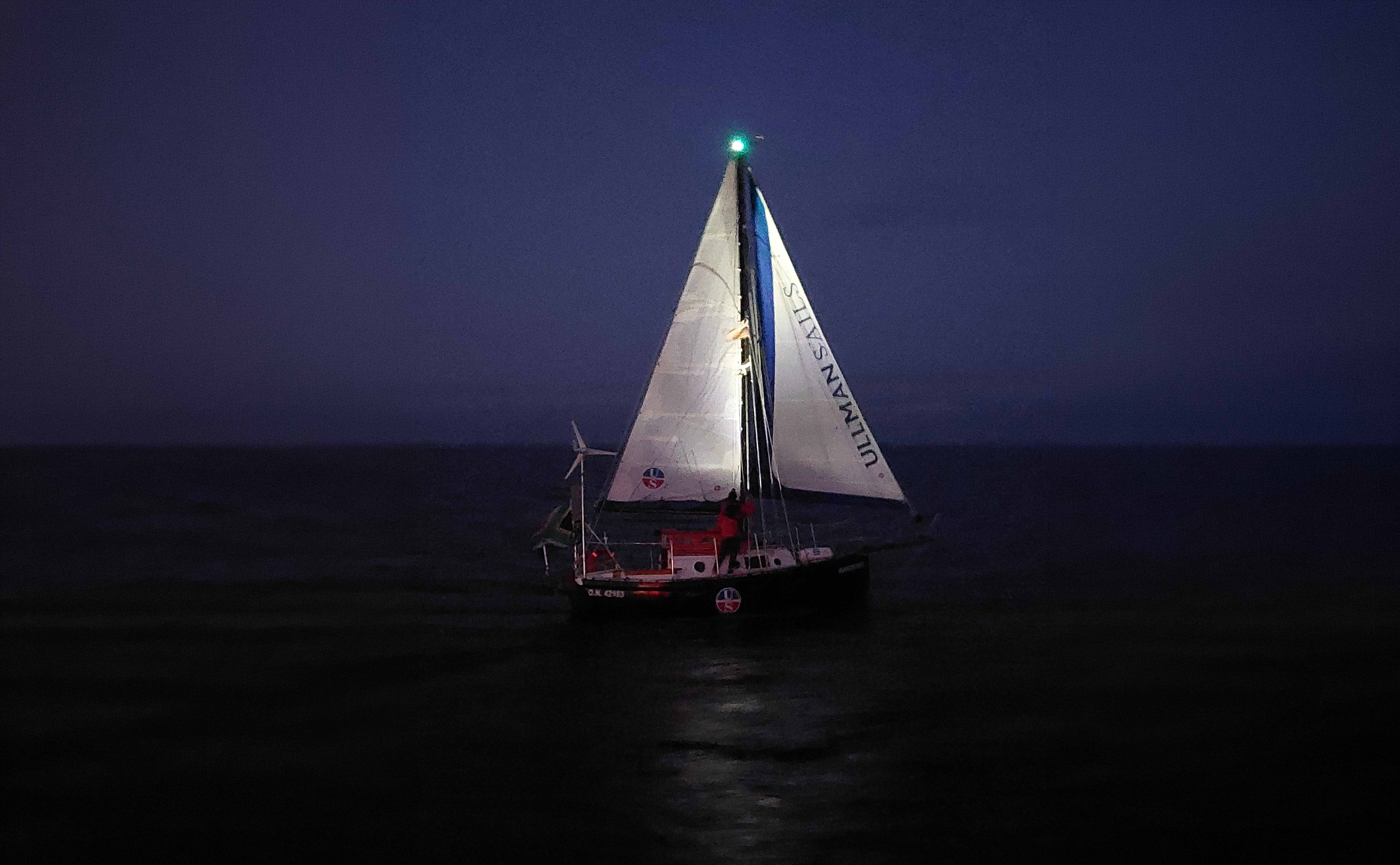
Hummingbird was knocked down three times.
During the first, Greg woke to the sound of the keel going back into the water. One swell had taken the sea anchor while another caught the boat beam-on.
Argentinian maritime rescue authorities were in regular communication with him. A yacht competing in the Globe40 came within roughly two nautical miles, made radio contact and checked that he was okay before continuing.
Greg was knocked down again after they left.
A HYBRID OF NEW AND OLD
Technology played an important role throughout the voyage. Internet access gave Greg detailed weather forecasts far out at sea, but sometimes the forecast and what was happening outside didn't quite agree.
That's where experience came in.
“It was a hybrid of new and old.”
Even with modern forecasts available, Greg was still watching the sky and reading the clouds as weather systems moved through.
Sometimes his assessment was fairly simple:
“That's a good cloud. That's a bad cloud.”
The technology gave him information. He still had to look outside and make the call.
THE SAILS THAT WENT AROUND THE WORLD
Through all of this, Hummingbird was sailing with an Ullman inventory built with a fairly straightforward priority: reliability.
The Endurance Series mainsail and furling headsail were both built in crosscut Dacron, with the mainsail carrying four short battens and four reef points. The furling headsail was finished with UV protection along the leech and foot.
For heavier conditions, Greg also carried a crosscut Dacron storm jib, built in orange cloth and set on hanks.
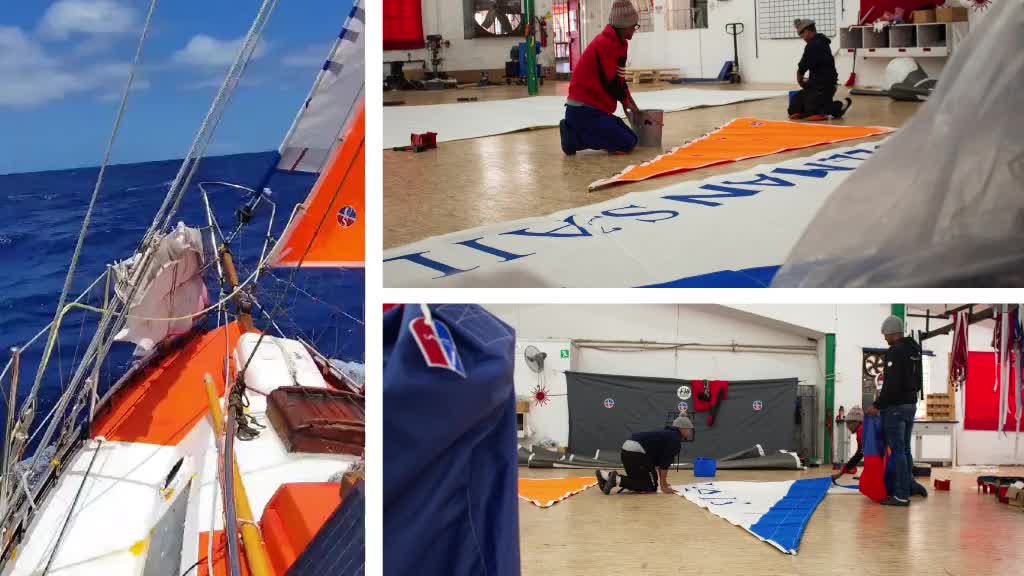
That inventory went on to cross the Indian and Pacific Oceans, spend months in the Southern Ocean and come through the conditions Greg encountered along the way.
It was only after the circumnavigation, on another passage from England towards the Netherlands, that the genoa finally tore. Greg swapped it for another Ullman sail he still had from his earlier South Africa-to-Netherlands passage and carried on.
“To know what those sails endured is… yeah. They endured more than just about any other boat.”
His message to Ullman was simpler:
“Thank you, Ullman, really. You’ve got me around the world.”
BACK TO FALMOUTH
More than two years after leaving, Greg and Hummingbird returned to Falmouth.
It wasn't the non-stop voyage he'd originally planned. Along the way he'd stopped, repaired the boat, changed course when he needed to and made decisions that kept both himself and Hummingbird going.
But he had sailed around the world.
Returning to normal life happened surprisingly quickly. His sea legs disappeared, apart from the occasional feeling that the shower was moving beneath him on his first night back.
His wife Jannean was happy to have him home, and then came work and everyday life.
Or, as Greg puts it:
“Life's just gone into full, full-blown adulting now.”
After more than two years away and roughly 39,000 nautical miles, his description of being home is wonderfully understated.
“It's like, oh, I didn't do anything.”
The original plan changed, but Greg kept sailing.
Eventually, Hummingbird brought him home.
Explore the Endurance Series >