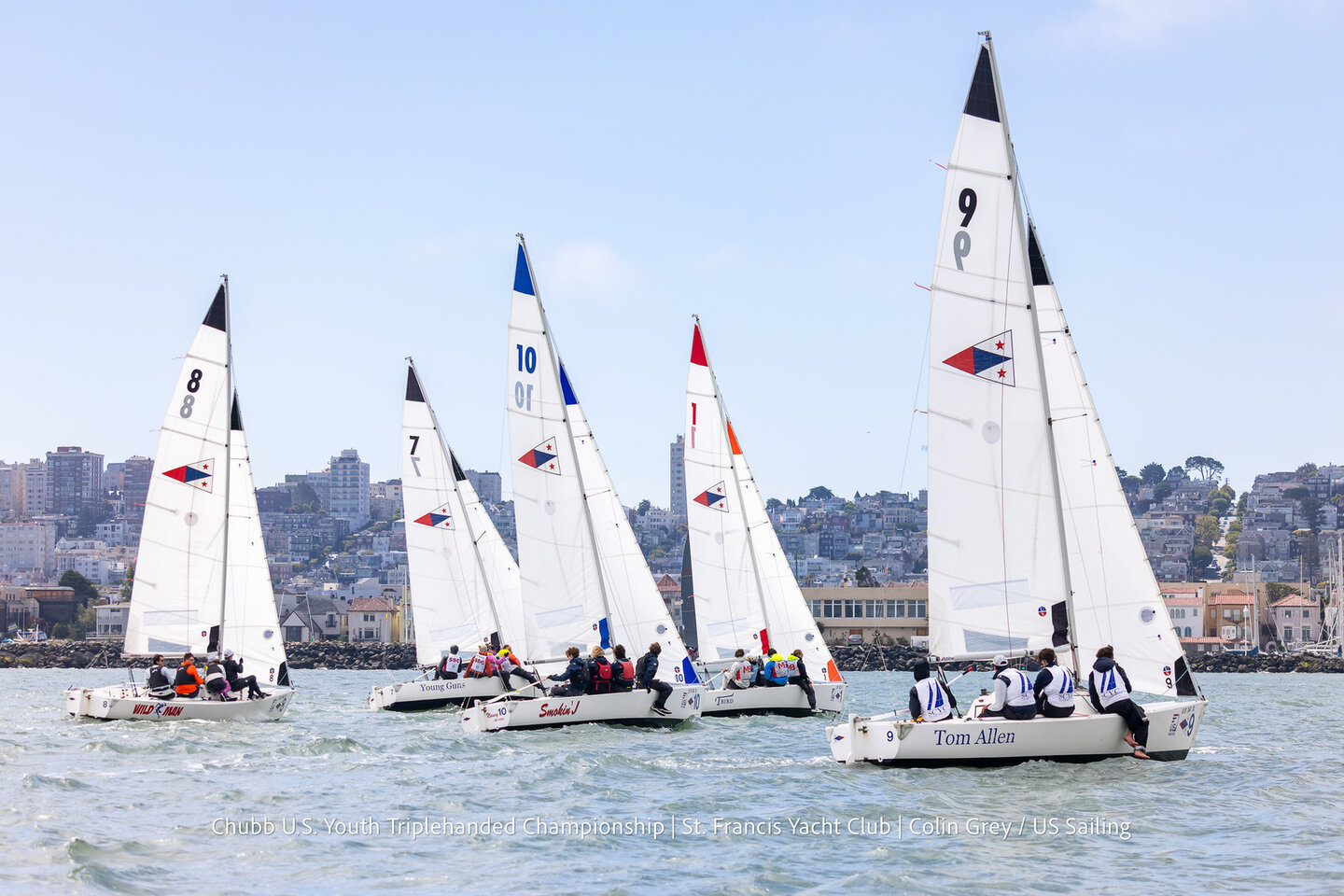
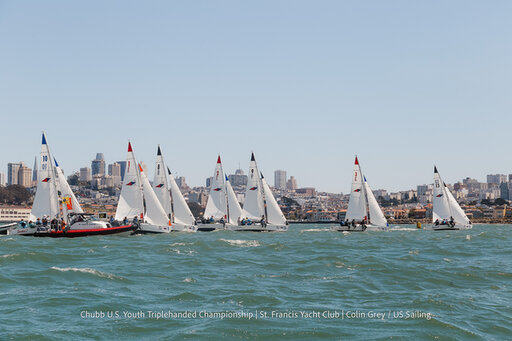
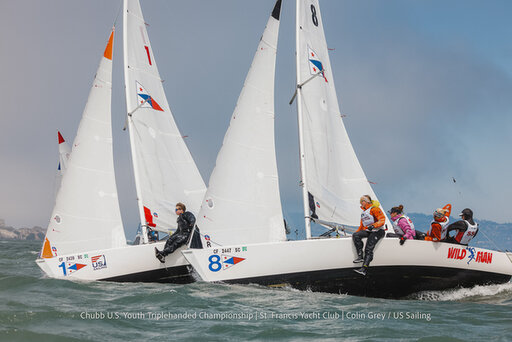
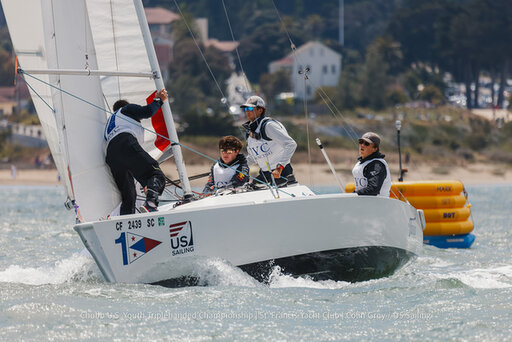
< homeNEXT >Credits: Colin Grey / US Sailing The Starting Line: A Game of ChoicesAs the winter frost begins to thaw and the smell of the lake returns to the air, it’s time to shake off the cobwebs and prepare for the starting gun. This March, we’re diving into the tactical playbook of Greg Koski’s “Winning Ways” to ensure you’re not just participating this season, but leading the pack.Imagine the scene: The flags are snapping, the countdown is ticking, and the line is a chaotic dance of white sails. You have a choice to make. Do you fight for the crowded right end, or risk the "no-man's-land" of a mid-line start? Success isn't just about speed; it's a game of choices. By balancing your strategic goals with the reality of the crowd, you set the tone for the entire race.Once you're out on the beat, the real mental chess begins. It’s tempting to split away when you’re behind, hoping for a miracle gust, but the veteran's advice is simple: stay with the fleet. Sailing is a game of "baby steps" and patience. By positioning yourself to catch the next shift first and protecting your lead by staying between the fleet and the wind, you turn tactical theory into a podium finish.THE CAPTIANS TACTICAL SHEETMaster the Start:Find the Edge: Use your compass and watch earlier fleets to identify which end of the line is favored.The Middle Path: Unless there is a compelling reason to push for an end, mid-line starts are your safest bet for clear air.Know the Risks: Left-end starts make it harder to tack clear, while the right end is almost always a magnet for crowding.Own the Upwind Leg:Don't Split: If you’re trailing, resist the urge to break away; go the right way and stay within striking distance of the pack.Lead the Pack: When approaching a crowd, tack ahead and to leeward. This ensures you’re the first to catch the next shift and keeps you in clear air.Middle Tactics: If you're near the lead, stay in the middle to minimize your opponents' leverage. If you're further back, be wary of the "disturbed air" that plagues the center of a large pack.Defend Your Position:Cover When Ahead: Stay between the fleet and the next expected wind shift to protect your lead.Avoid Laylines: Don't hit the layline too early—you’ll run out of options and become vulnerable to attack.Preparation is Key: Success at the marks isn't just about the turn; it's about being prepared for the traffic and turbulence before you get there.Expert Consultation from CLEVELANDExplore the Race SeriesContact:marketing@ullmansails.com03/31/2026 17:22:24