< HOME
NEXT >
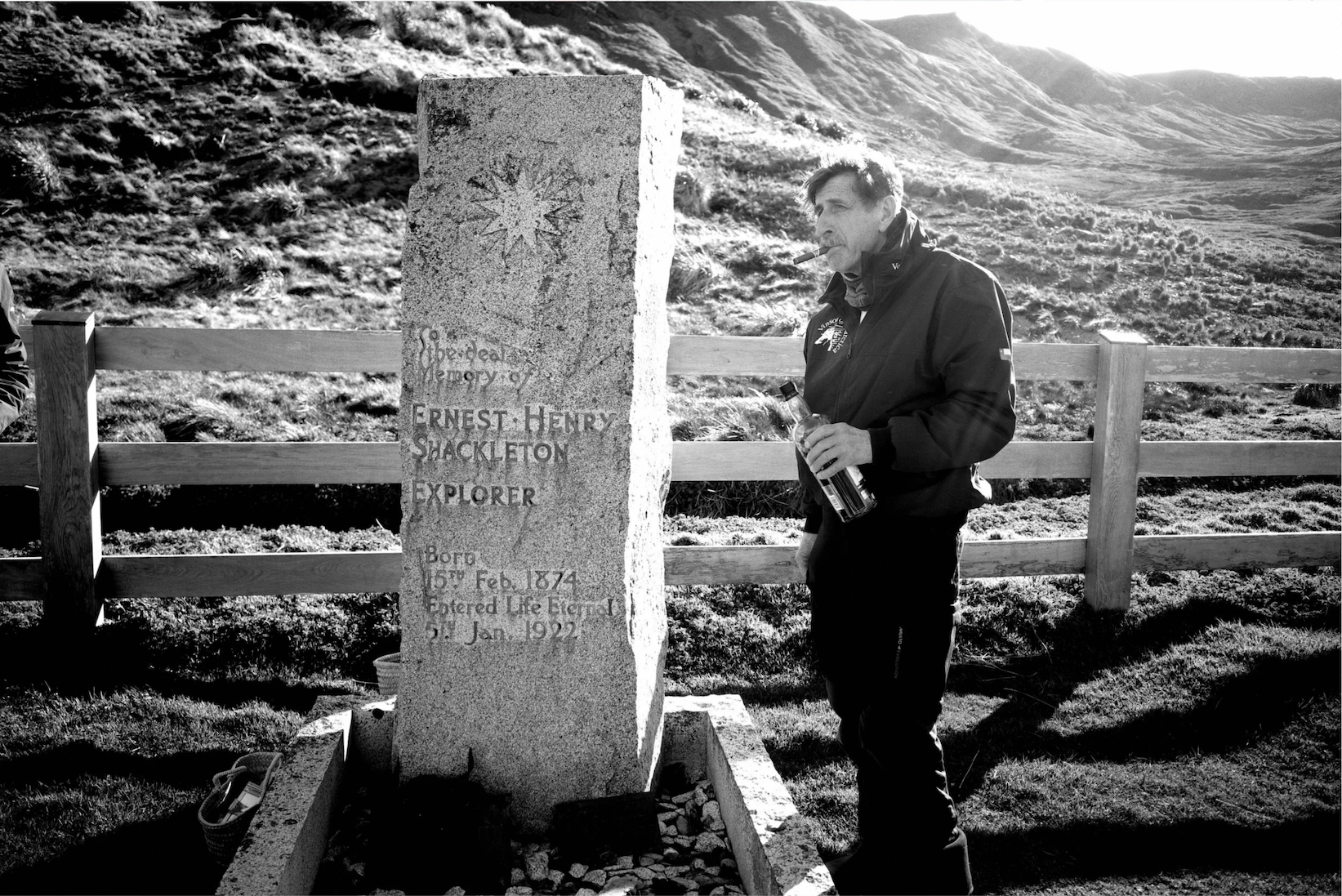
Image Credit: Vinson of Antarctica
Beyond the Edge: Storm Sailing to South Georgia
In the latest issue of Yachting World, legendary explorer Skip Novak retraces Shackleton’s 1916 traverse across South Georgia.
While the expedition was a "dads and kids" ski-climb adventure, the sailing was anything but child's play. On the return to Port Stanley, Novak’s vessel, Vinson of Antarctica, was hit by a blizzard and 55-knot gusts.
The Anatomy of a Cold Front
While the team successfully navigated the mountains on skis, the return leg to Port Stanley reminded everyone why the Southern Ocean is the ultimate proving ground for sail design. Within just one hour, the wind ramped up from light and variable to a sustained 40-knot southerly, eventually gusting over 55 knots.
With 8-meter seas predicted, the 75-tonne Vinson of Antarctica was pushed to its limits. Novak’s survival strategy relied on a precision-tuned storm configuration, a maneuver made possible by the structural integrity and strategic reefing points engineered into his Ullman inventory.
- The Main as a Trysail: The crew dropped the mainsail to its fourth reef, effectively transforming the main into a heavy-weather trysail to keep the center of effort low and manageable.
- The De Facto Storm Jib: Up front, the staysail was deeply reefed on its furler. Despite the extreme pressure, the sail maintained the aerodynamic "slot" required to keep the boat moving at 8 to 15 knots comfortably on the quarter.
NOW vs THEN
The Ultimate Equalizer: 110 Years in the Southern Ocean
The Southern Ocean doesn't care about the date on your calendar. Whether it was 1916 or last week, the recipe for survival in 50-knot gales remains the same: unwavering trust in your equipment.
“The ocean has not changed, but our ability to harness it has.”
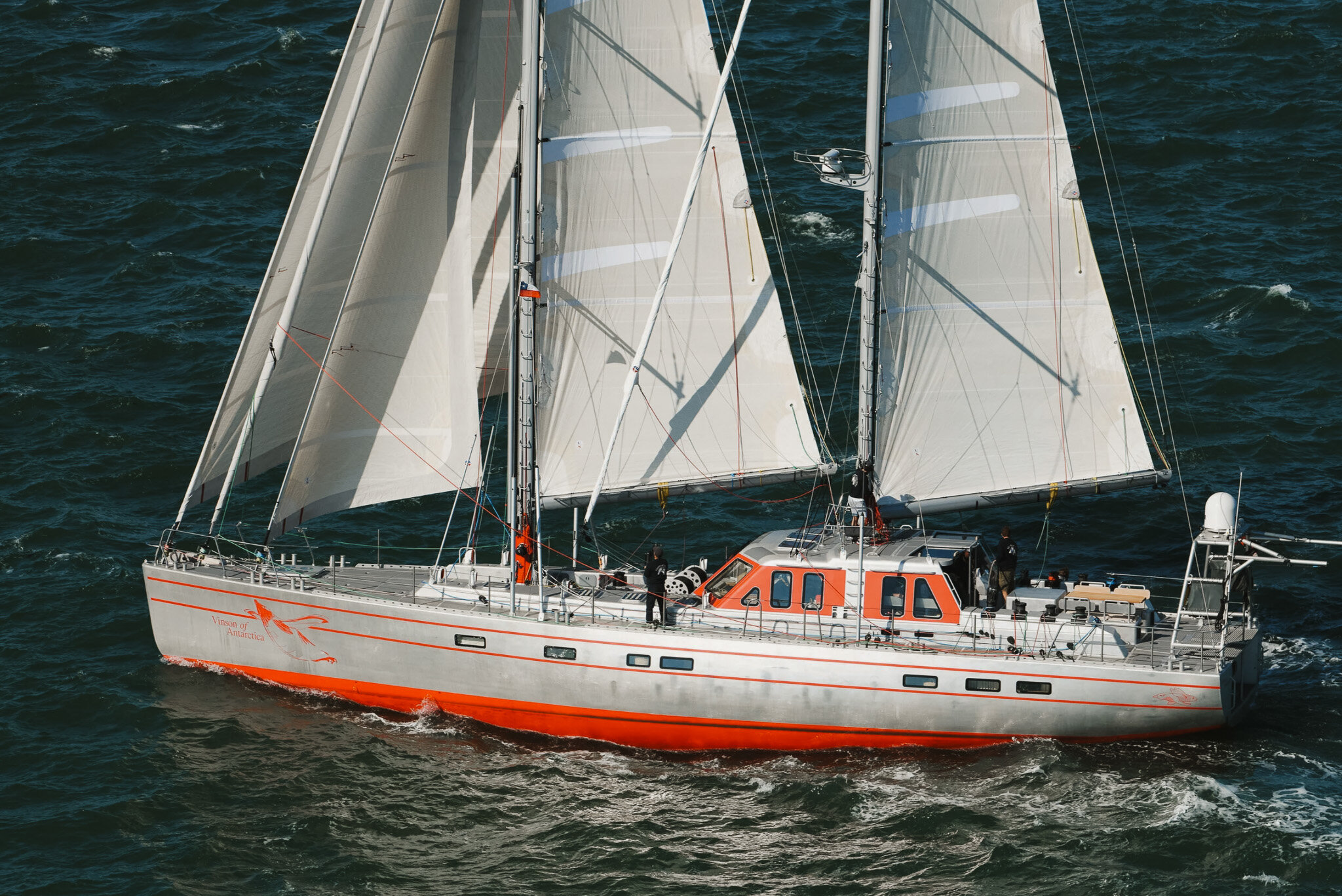
Image Credit: Vinson of Antarctica
The James Caird: Survival on a Shoestring
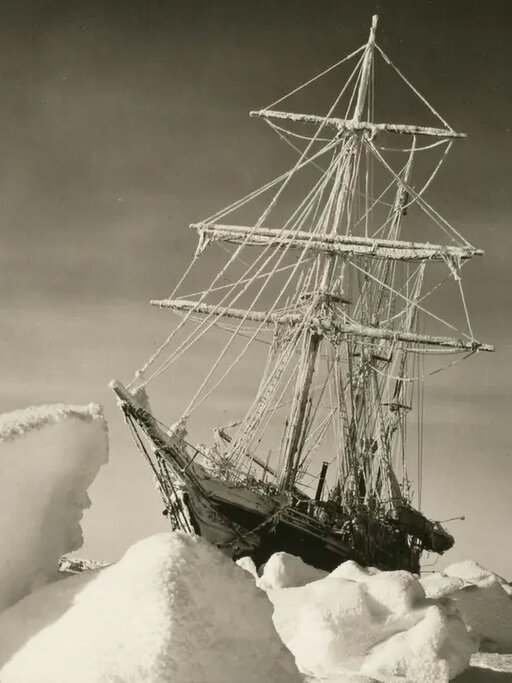
Shackleton’s 22.5-foot lifeboat was a makeshift "ketch" rigged with salvaged spar wood and heavy canvas.
The Rig: A mainmast and a tiny mizzenmast, lugger-rigged.
The Challenge: The crew had to manually reef frozen, stiff canvas while balanced in an open, waterlogged boat. There was no "safety" margin—if a sail blew out, there were no spares.
The Vinson of Antarctica: Engineered Redundancy
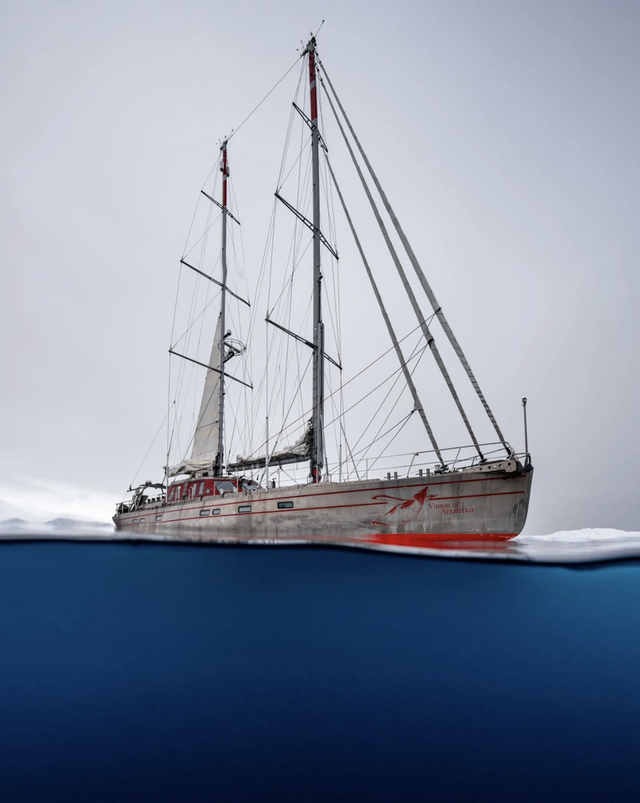
As seen in the photo, the 77-foot Vinson is a schooner-rigged powerhouse designed for maximum flexibility in polar winds.
The Rig: Two massive masts allowing for a spread of smaller, more manageable sails rather than one giant, dangerous mainsail.
The Advantage: Novak’s team has multiple "gears." In the 55-knot blizzard, they weren't just surviving; they were optimizing. By dropping to a fourth reef on the main and furling the staysail, they maintained a "slot" of airflow that kept the boat under total control—a feat of aerodynamic engineering Shackleton couldn't have imagined.
At Ullman Sails, we believe that "cruising" shouldn't mean compromising on structural integrity. The same engineering principles Skip Novak used to ride out a blizzard—reinforced tack and clew attachments, high-modulus fibers, and UV-resistant coatings—are the "Global DNA" built into every sail we manufacture.
Whether you are navigating the pristine waters of Cape Town on a new Balance 502 or threading crystalline icebergs in the South Atlantic, our goal is the same: to provide the reliability that turns a potential "survival situation" into a controlled, high-performance passage.