< HOME
next >
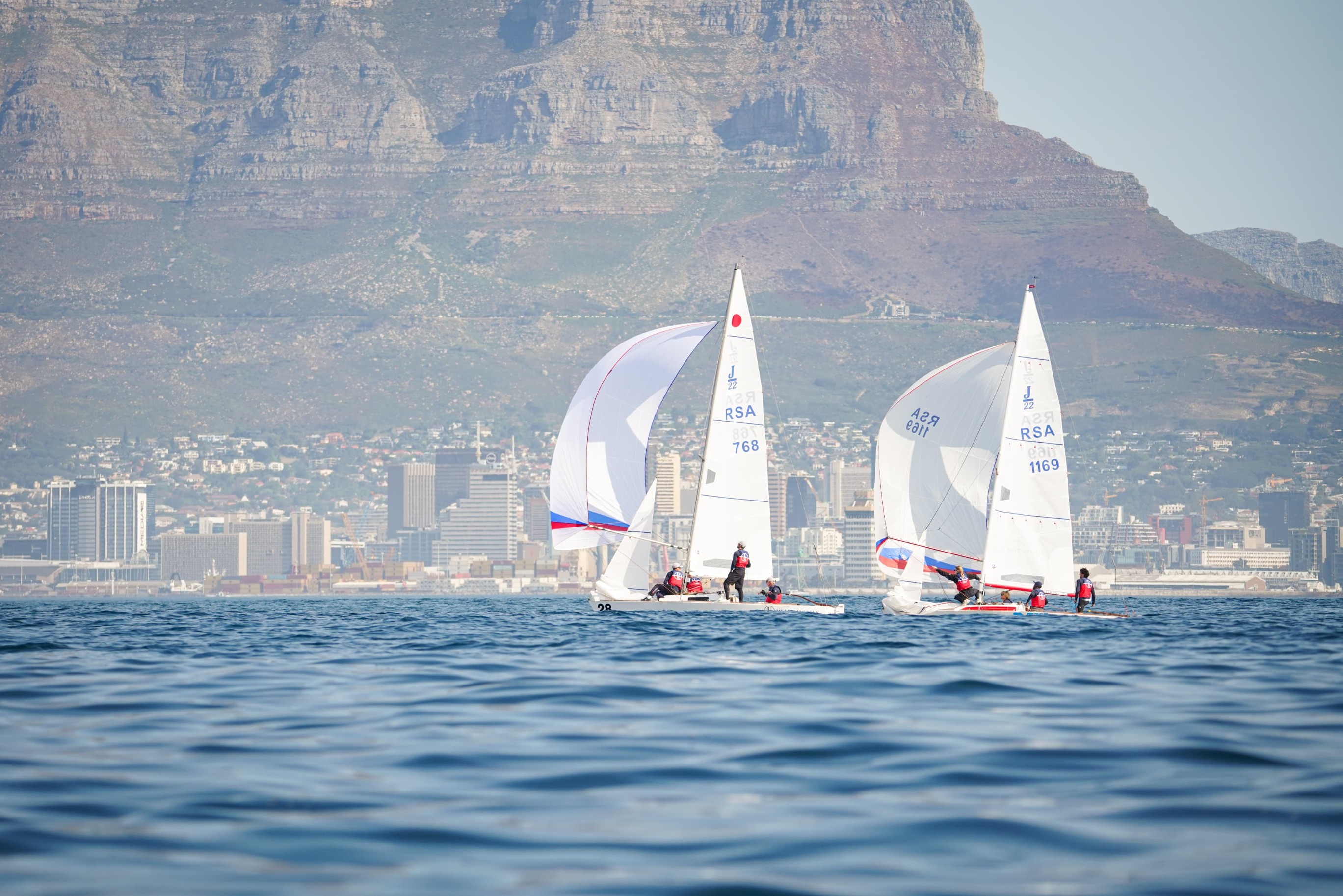
Credits: Matt Du Toit Photography
J/22 Always Learning:
The boat may stay the same, but there is always something more to find out.
There’s a reason sailors keep coming back to the J/22.
Decades after the first boats hit the water, the fundamentals haven’t changed.
But that doesn’t mean the racing stands still.
In One Design, improvement comes from working within those boundaries. Sailors get better. Crews become sharper. Sail trim is refined, setups are adjusted and another season on the water adds another layer of understanding.
At this year’s Lipton Challenge Cup, ten races gave sailors, sailmakers and designers another opportunity to put that experience to work.
THE DETAILS GET SMALLER
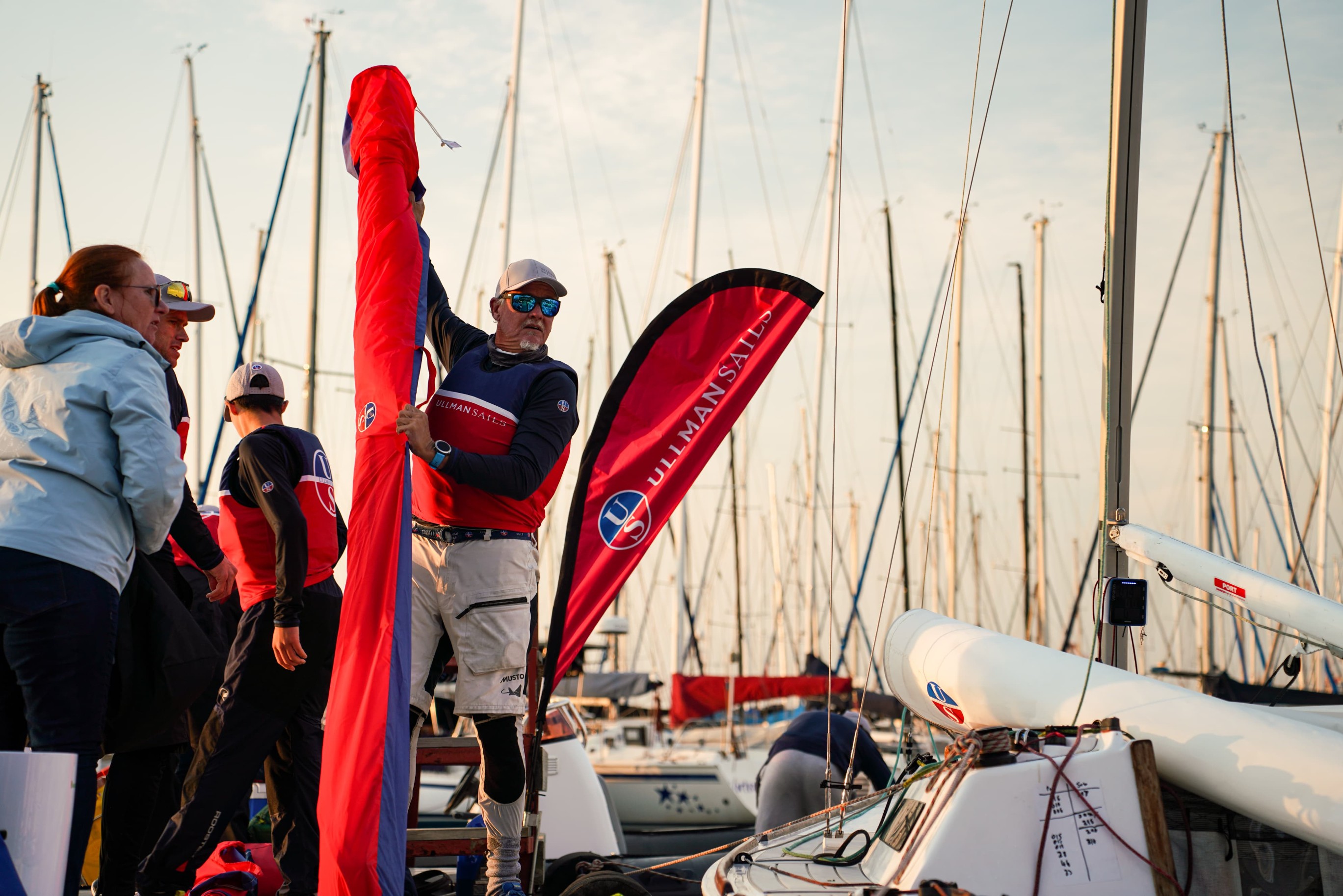
Spend enough time in a J/22 and the obvious lessons eventually become second nature.
What remains are the details.
A cleaner tack. A slightly better mode upwind. Knowing when to change gears as the pressure builds. Finding the right balance between pointing and speed. Communicating clearly enough that the crew moves as one when it matters.
None of those things sounds revolutionary.
Together, they can be the difference between crossing ahead or behind.
That’s part of what makes competitive One Design racing so unforgiving, and so rewarding. With the equipment tightly controlled, there are fewer places to hide.
The gains have to be earned.
A YOUNG TEAM STEPS UP
This year, Ullman’s involvement at Lipton extended beyond sails alone.
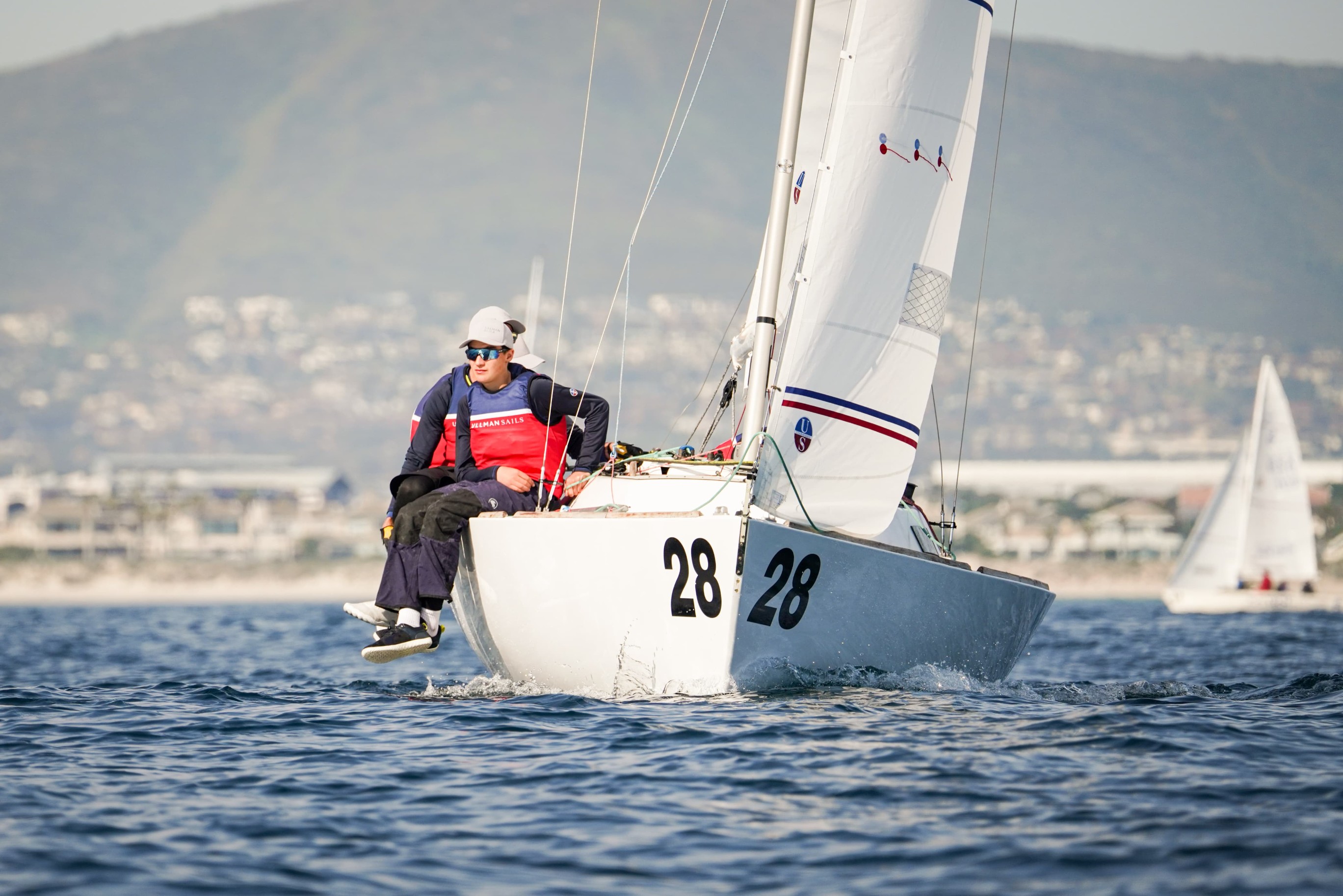
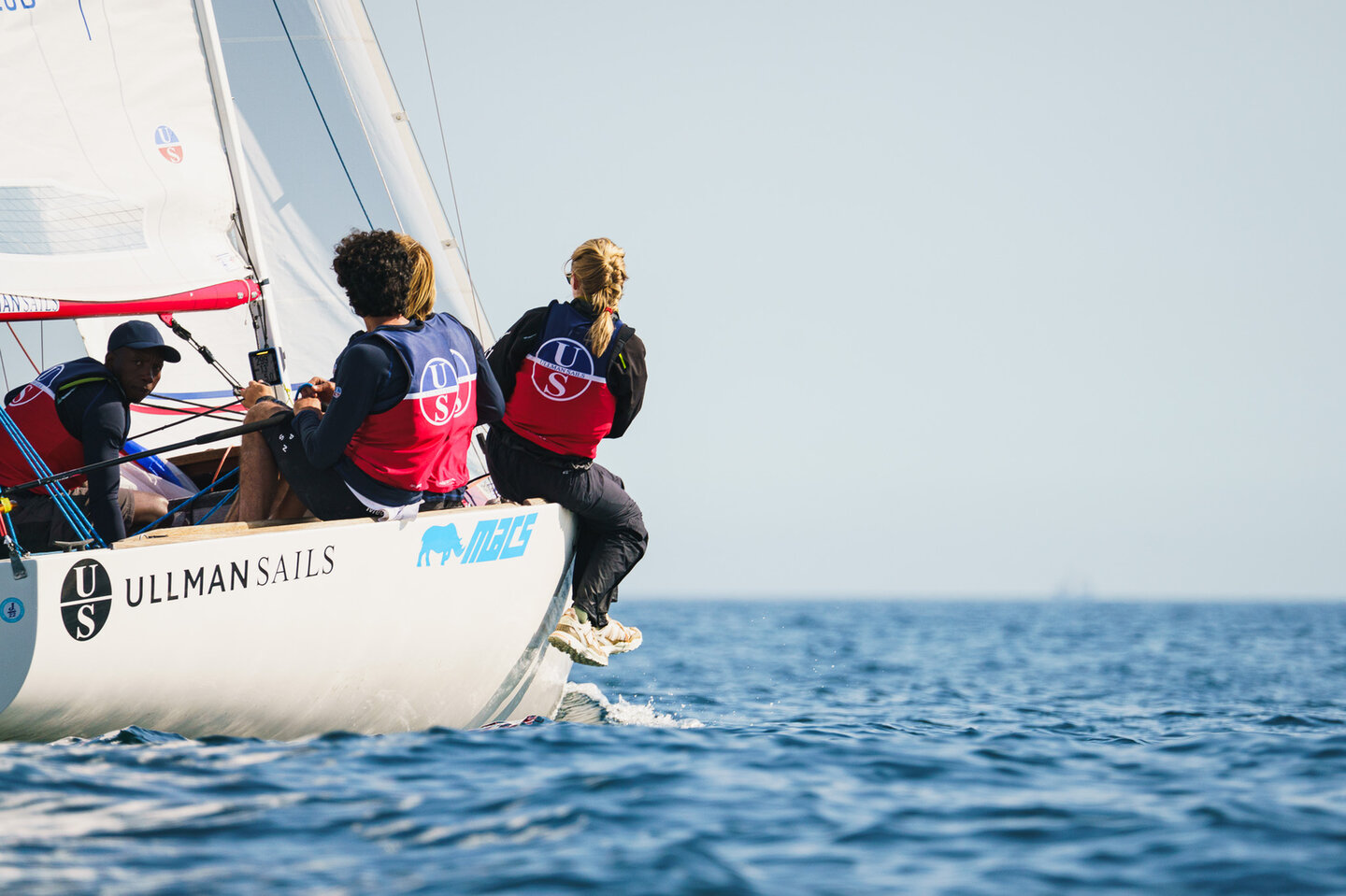
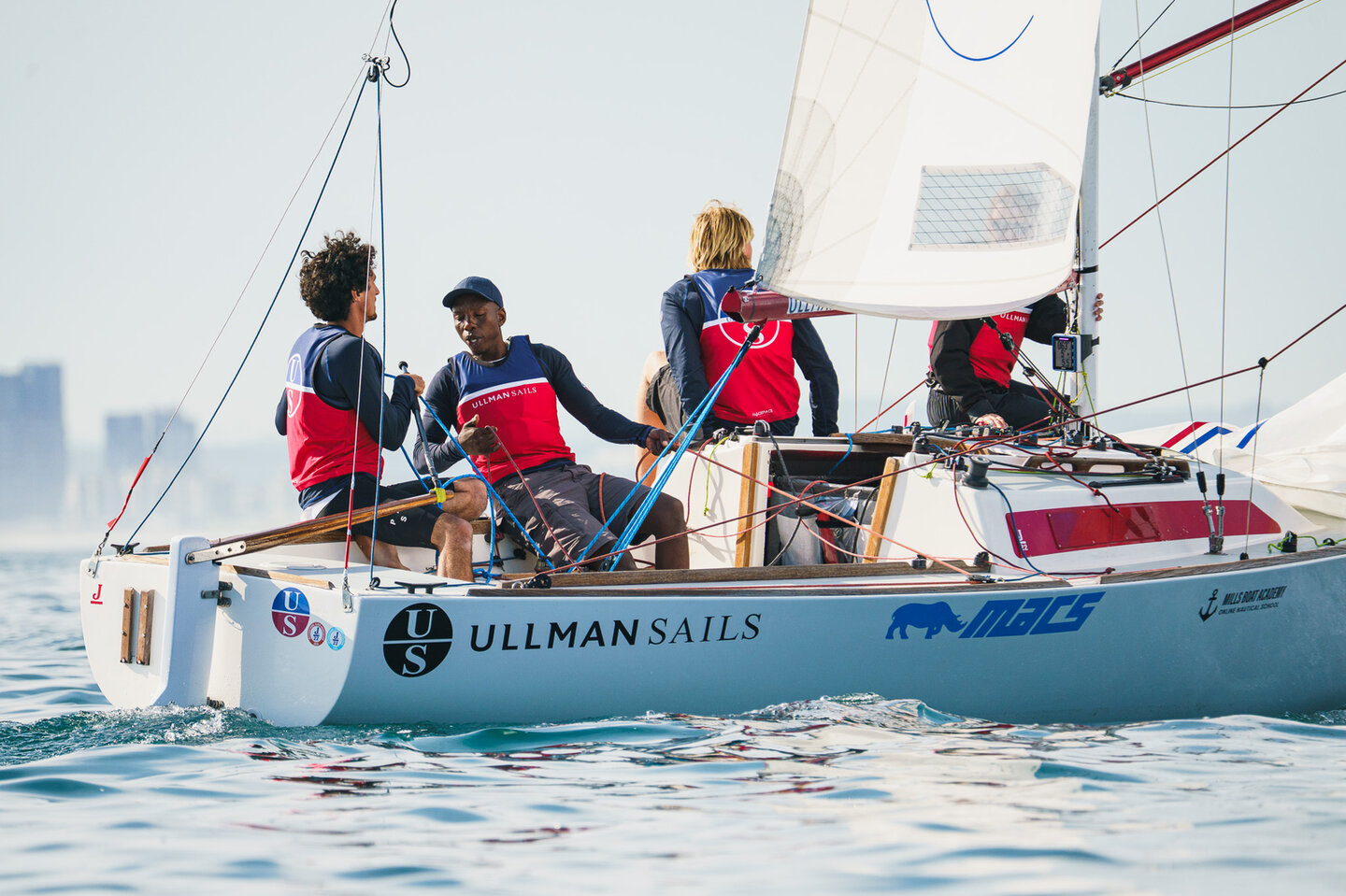
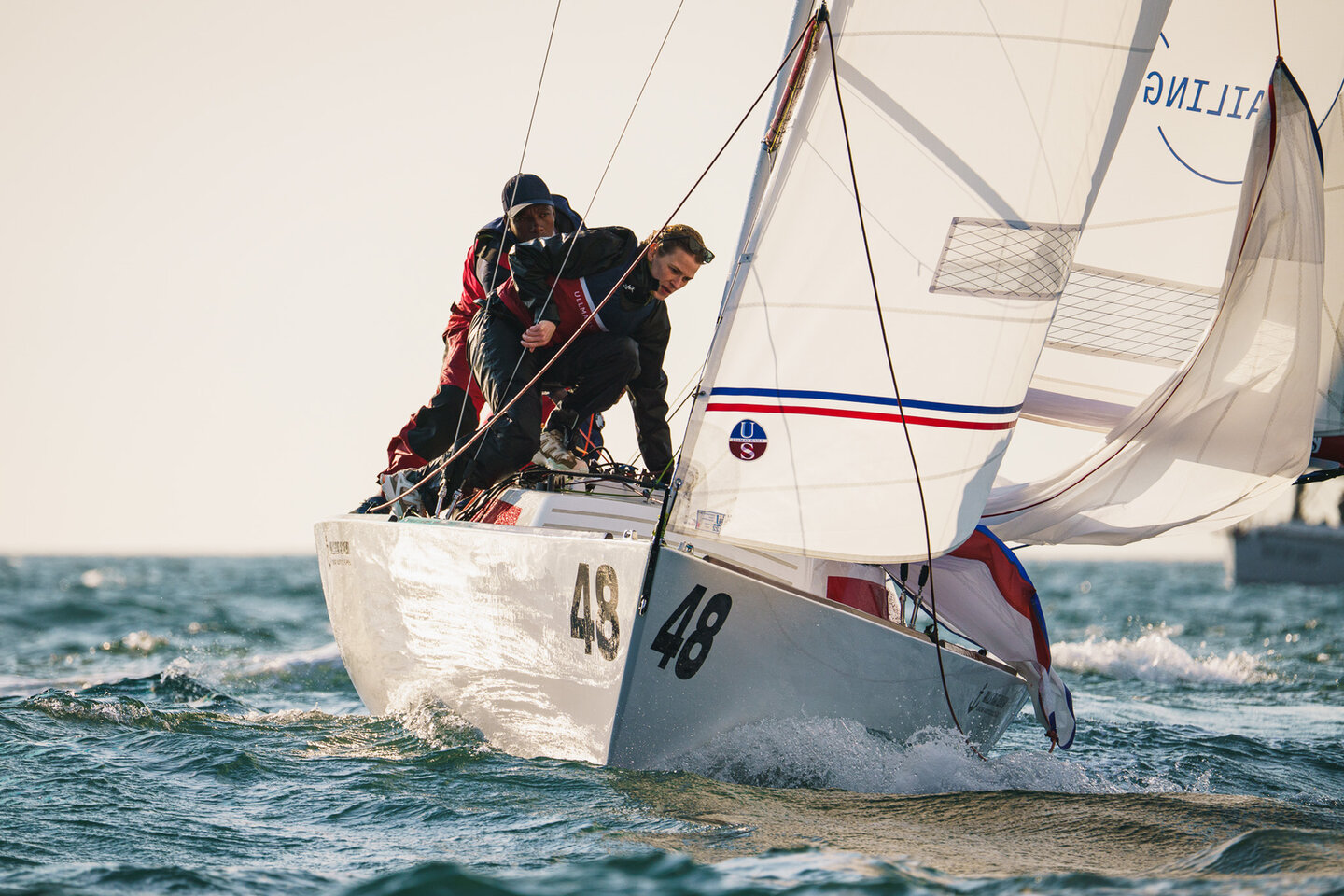
Ullman Sails Camissa, sponsored by Ullman Sails South Africa, represented False Bay Yacht Club with a talented young team of Henry Daniels, Asenathi Jim, Theo Scheder Bieschin and Svetlana Kurakova aboard.
They arrived at Lipton having put in the hours beforehand, training together and preparing to represent FBYC against some of the most experienced names in South African sailing.
And they proved they belonged there.
Across the ten-race series, Camissa delivered several standout performances, including three second-place finishes and a race win, on their way to fourth overall in the Lipton Challenge Cup.
For a young crew competing in an event with this much history, it was a performance to be proud of, and another reminder of what becomes possible when talented sailors are given the boat, support and opportunity to compete.
ACROSS THE FLEET
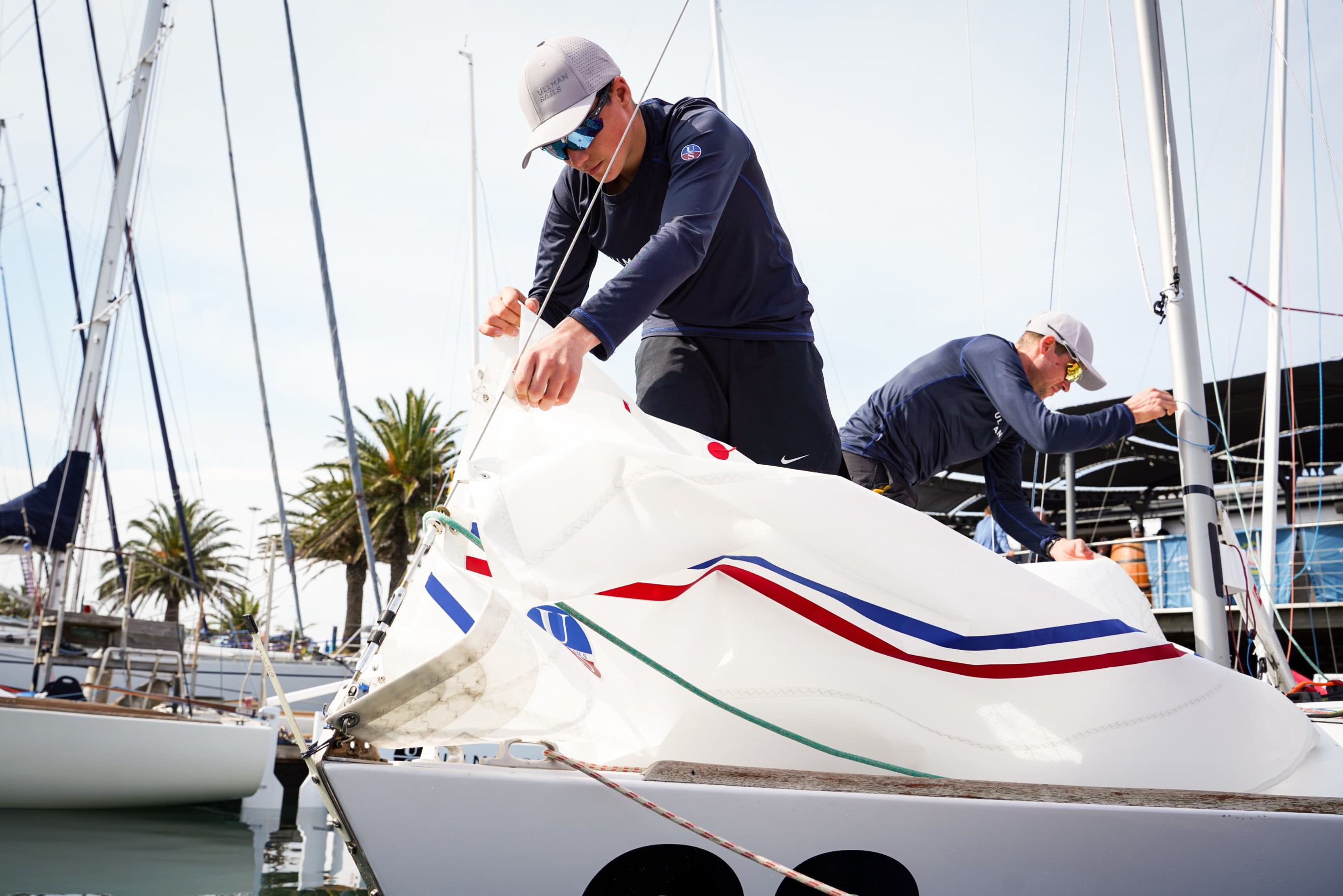
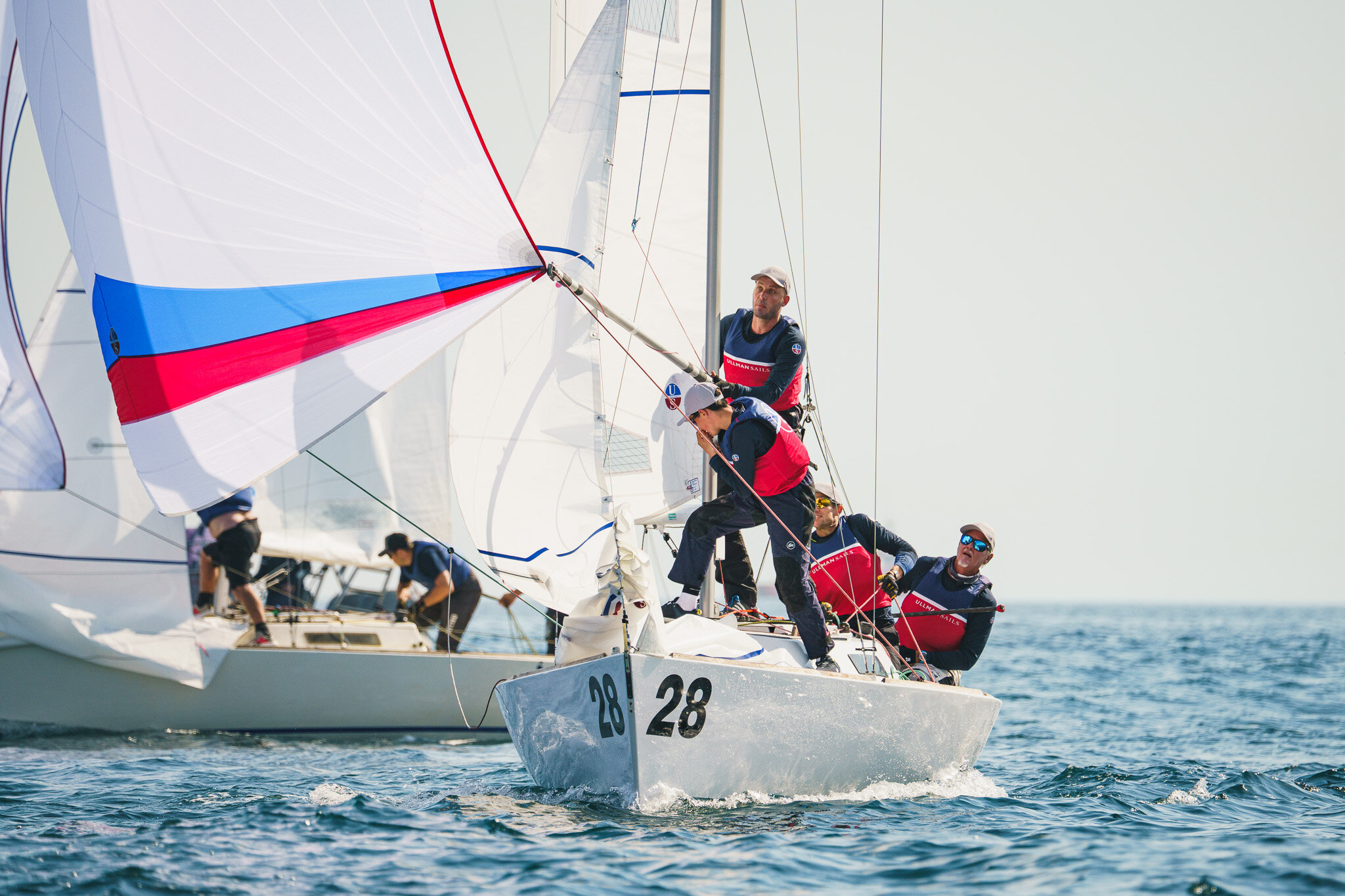
Alongside Camissa, Ullman Racing represented Royal Natal Yacht Club, with Mike Farrington, Andrea Giovannini, Matthew Trautman and Hayden Miller leading another strong challenge.
Ullman Racing showed genuine front-of-fleet pace, recording four podium finishes, including three second places.
A DSQ proved costly in a championship with no discard, contributing to a sixth-place finish overall, but the final number tells only part of the story.
Between Ullman Racing and Camissa, there were plenty of moments at the front of the fleet, and plenty more information to carry away from ten fiercely contested races.
They weren't alone either.
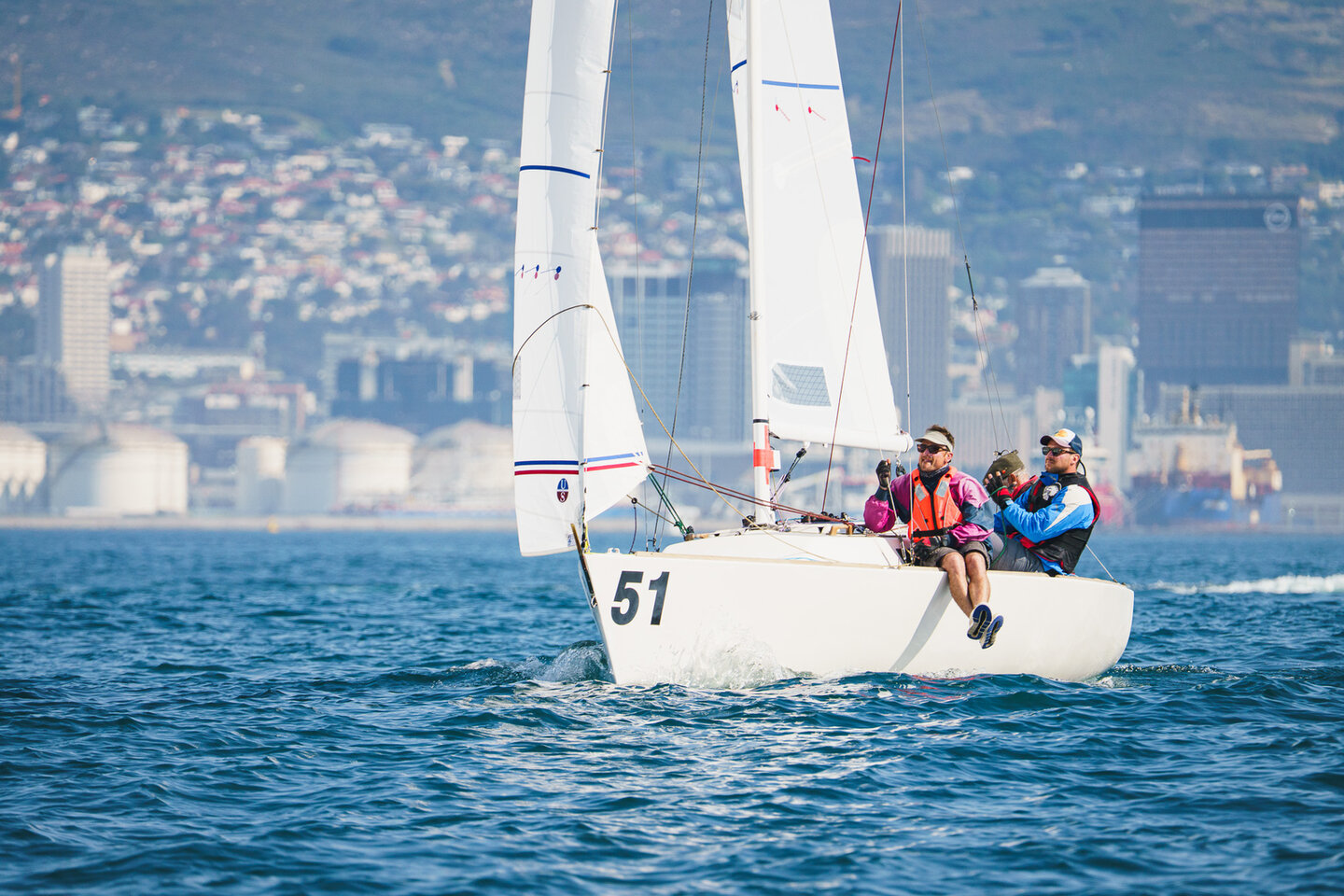
Across the Lipton fleet, six teams carrying Ullman Sails represented six different yacht clubs:
Ullman Sails Camissa for False Bay Yacht Club - 4th Place
Ullman Racing for Royal Natal Yacht Club - 6th Place
Phantom for Knysna Yacht Club (1st-Race9) - 10th Place
Bumbo / H2O Tech for Boskop Yacht Club - 13th Place
Attacke for Lüderitz Yacht Club - 14th Place
CaCanny for Theewaters Sports Club - 16th Place
Gallery Below
WHY WE KEEP COMING BACK
Perhaps that’s the enduring appeal of the J/22.
The boat creates a common starting point, but what sailors, crews and designers do within those boundaries never stops developing.
For Matt Trautman, one of Ullman Sails’ talented young designers, the work goes far beyond the design screen. Countless hours on the water, working with the teams, studying the sails and listening to feedback are followed by more time analysing and refining back at the computer.
His commitment to both the sails and the sailors behind them has been an enormous part of Ullman’s continued J/22 development.
The J/22 may stay the same. What we learn from racing it never does.