< pREvious
HOME >

Credits: Bronny Daniels
Tips for Success in One Design Racing:
Lessons from seven-time Cal 20 Class Champions Keith Ives and Chuck Stevens
One Design racing can have one of the steepest learning curves in sailing. With boats so evenly matched, success comes down to preparation, consistency, boat handling and the ability to keep learning from every race.
We spoke with seven-time Cal 20 Class Champions Keith Ives and Chuck Stevens about what goes into maintaining that level of success in a competitive fleet. Between them, they bring more than 80 years of sailing experience, with 46 of those years shared in the close confines of a Cal 20 cockpit.
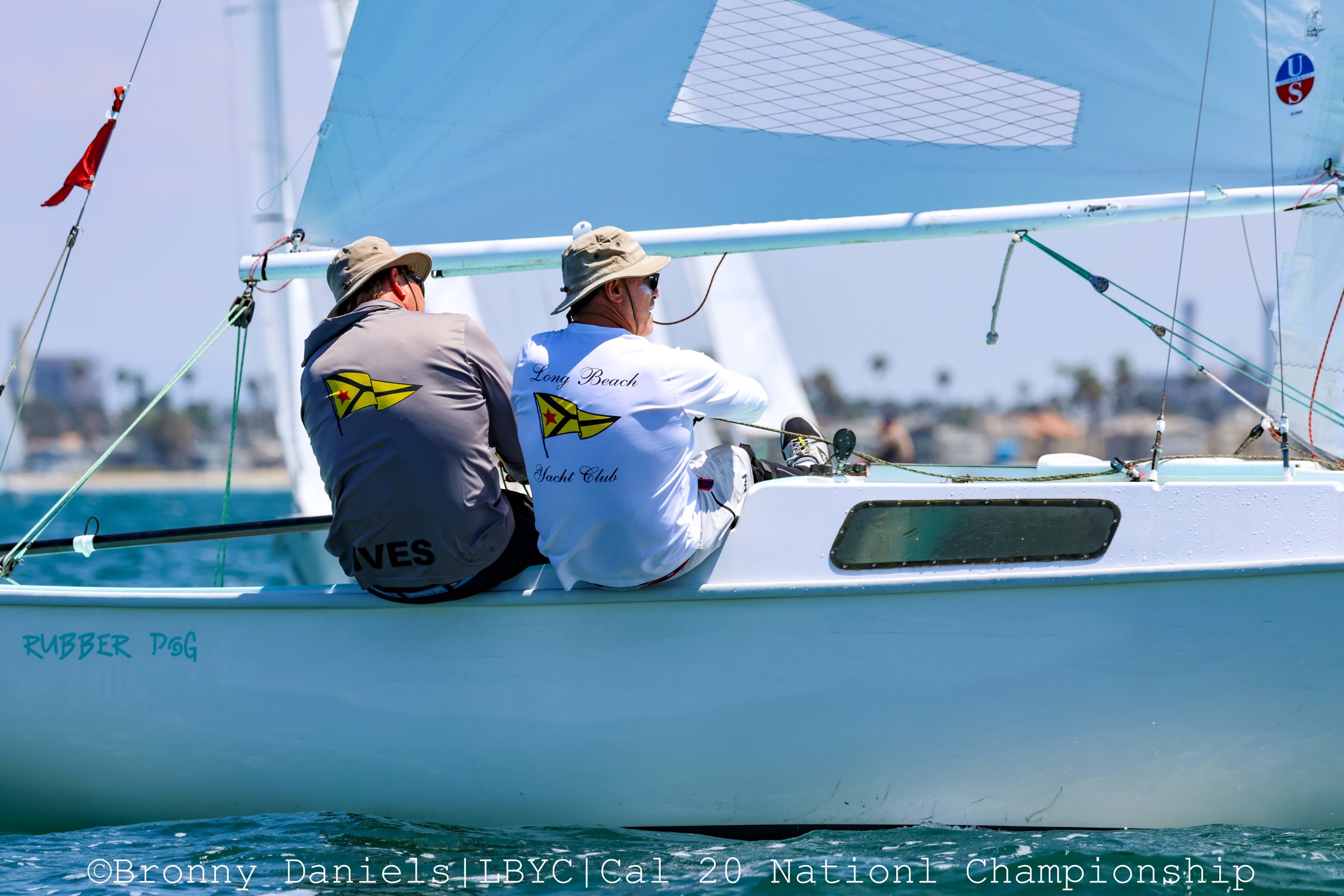
PREPARATION
When asked how they prepared for this year’s Class Championship, Keith and Chuck highlighted four key areas that helped get both themselves and the boat ready.
1. Start with the right sails
Keith puts it simply:
“We got new Ullman sails in the offseason.”
Starting the season with a fresh sail inventory gave the team the foundation they needed before the racing even began.
2. Treat weekday racing as practice
Championship preparation doesn’t begin the week before the regatta.
Keith and Chuck race every Wednesday at Long Beach Yacht Club, often against 10 to 15 other Cal 20s.
“We always feel like we get better through the summer races.” — Keith
Chuck agrees:
“We probably sail our Cal 20 as much if not more than anybody in the fleet. We do all Wet Wednesdays to push the boat, work on boat speed in varying conditions. Great practice on Wet Wednesdays.”
That regular time on the water gives them space to work on speed, boat handling and different approaches long before championship points are on the line.
3. Stay on top of the boat
Preparation is also about reliability.
Chuck points to regular maintenance as another important part of their routine, including a new bottom by Diversified Composites, alongside constantly checking the rigging for wear.
In a class where small differences matter, arriving at the start line confident in the boat removes one more variable.
4. Have a strategy before the weekend begins
With no throw-outs, consistency was the priority.
“The strategy for this championship is to be consistent. There are no throw outs so one bad race and you’re done.” — Keith
Chuck approached it the same way:
“Looked for top five finishes, don’t have to win all the races, just stay in the hunt. No double-digit finishes. Those are hard to compete with, with no throw outs.”
That mindset is a good reminder that winning a championship doesn’t always mean winning every race. Sometimes the smartest strategy is simply to stay in contention.
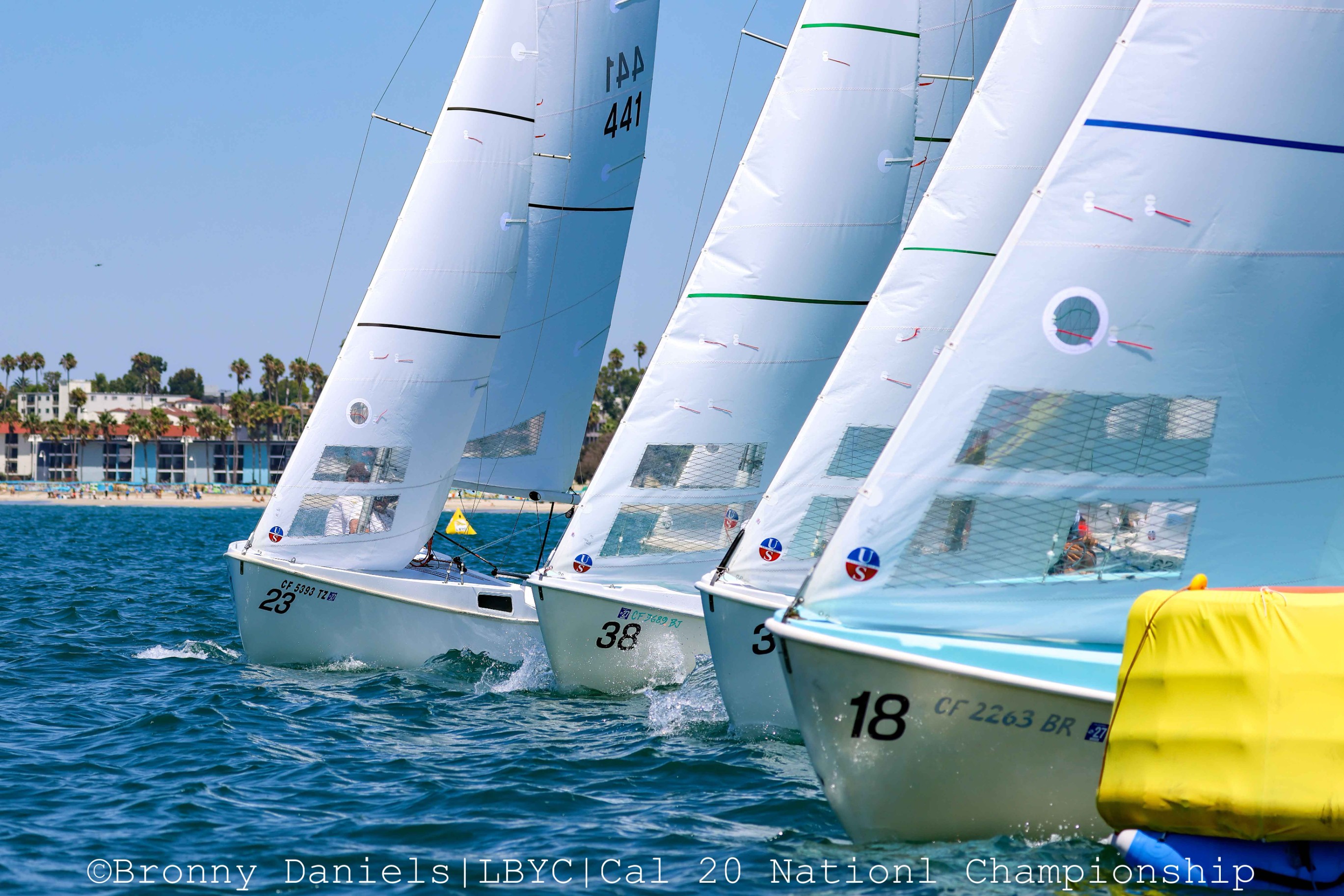
ON THE WATER
Keith and Chuck have seen just about every situation possible in a Cal 20.
Their experience has taught them that when a race starts to go wrong, success often comes back to the fundamentals.
1. Rely on the basics
Chuck explains:
“Boat handling is extremely important, one bad tack can negate a tactical advantage, and conversely, tactics have to be consistent, without that, the best boat handling can mean nothing.”
From the first tack to the final gybe, manoeuvres can be the difference between a race win and dropping through the fleet.
Their advice is simple: use weeknight racing to practise. Experiment with tactics, sharpen manoeuvres and make the mistakes when there isn’t a championship on the line.
2. Don’t panic when things go wrong
That lesson was tested immediately this year.
Keith and Chuck were over early in the first race on Saturday, putting them under pressure from the beginning.
Chuck’s response?
“Learned not to panic, just work it out.”
Keith trusted the fundamentals that had carried them through so many races before:
“Letting tactics and speed gets you to the front.”
One bad moment doesn’t have to become a bad race. Staying calm gives you a chance to work your way back into it.
3. Communication matters
Forty-six years in the same cockpit creates a level of understanding that’s difficult to replicate.
Chuck credits their “synergy and friendship” for helping establish a consistent system for trim and boat handling around the marks.
That familiarity means fewer wasted words, clearer decisions and confidence that each person knows what comes next.
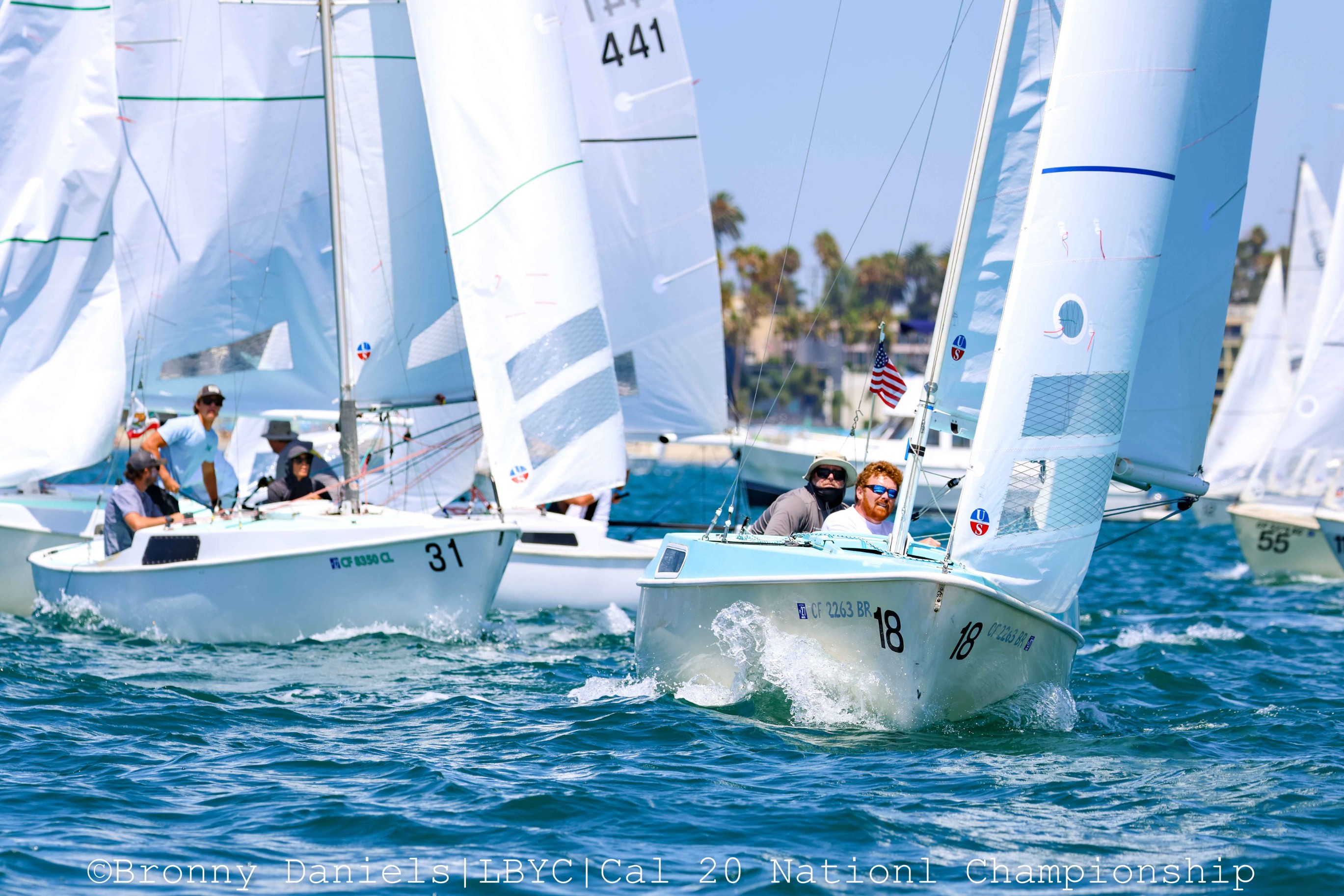
LOOK TO THE FUTURE
Winning a championship doesn’t mean the work stops.
Keith and Chuck’s approach is built around staying active, staying prepared and always having another race in mind.
1. Keep your sails current
A well-prepared sail inventory is part of arriving at the start line ready to compete. Speak to your local Ullman loft about your next set of sails and keep an eye out for group order opportunities within your fleet.
2. Stay active in your fleet
The more time you spend racing, the more opportunities you have to improve.
Regular fleet racing lets sailors try new settings, test ideas and learn from one another in a controlled environment.
One Design sailing works best when the whole fleet keeps pushing each other forward.
3. Always have the next race in mind
Look for a regatta at a yacht club you haven’t sailed at before. A new venue brings different conditions, different competition and another chance to learn.
And every outing doesn’t have to be about trophies.
Sometimes a sunset sail with your regular crew is enough to remind you why you bought the boat in the first place.
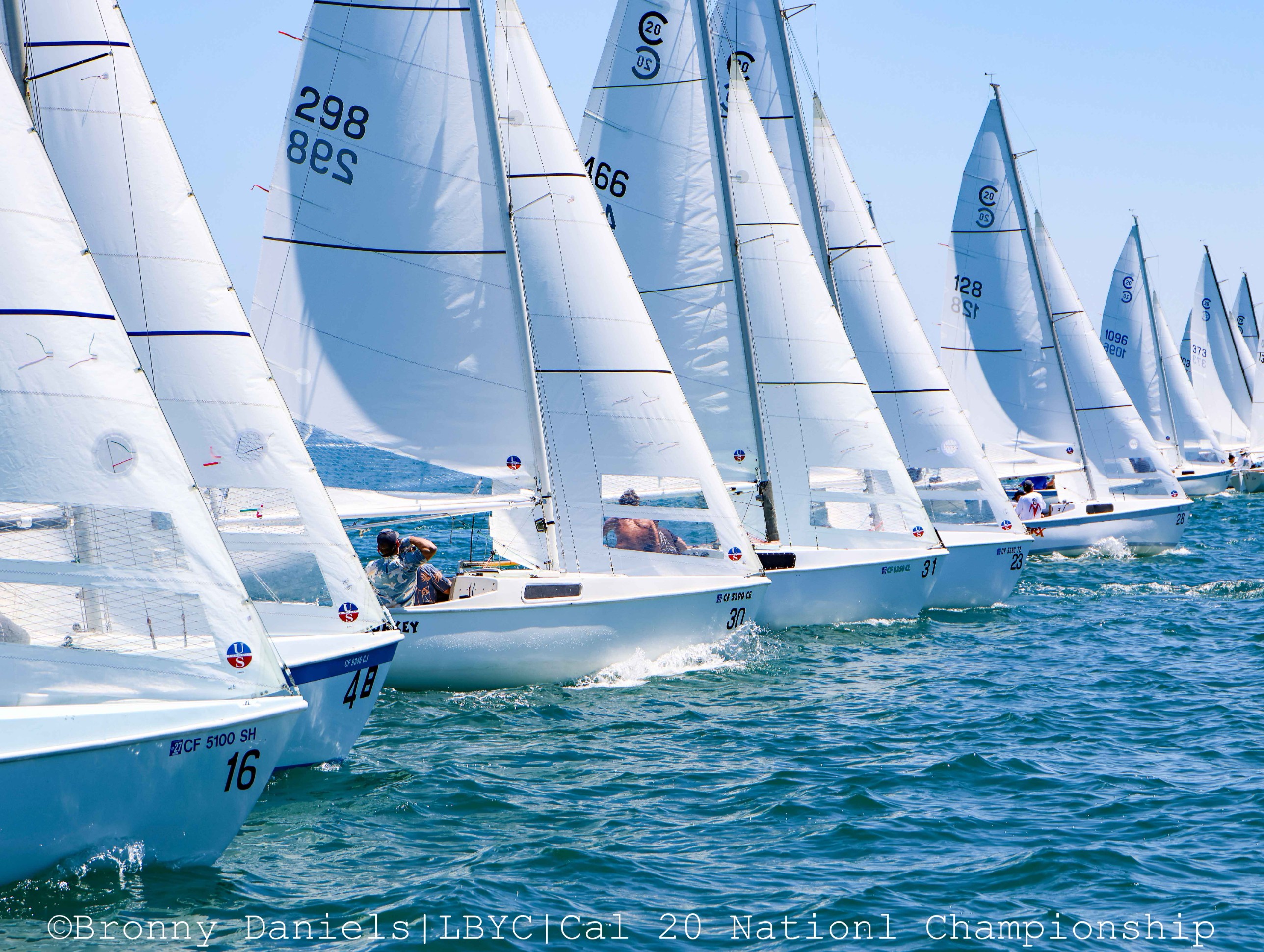
One Design racing is equal parts fun and challenge.
Consistent preparation, time on the water and clean boat handling all help move a team through the fleet. Understanding the format of the regatta can shape your strategy before you ever leave the dock, while resilience becomes crucial when a shift doesn’t go your way, a penalty is given or a mistake creeps in.
Keith Ives and Chuck Stevens are proof that experience doesn’t mean there’s nothing left to learn.
Even after seven Cal 20 Class Championships, the fundamentals remain the same: prepare properly, practise often, stay calm when things go wrong and keep coming back to the racecourse.
request a one design quote >
chat to ullman sails newport beach >